Why Zermatt feels iconic—and what surprises first-timers
The first time the Matterhorn showed up—clean, sharp, and absurdly close—I almost forgot we still had to haul our bags from the train and figure out a hotel check-in. That’s Zermatt: the payoff arrives early, but it still asks you to stay practical (especially when you’ve only got 3–4 nights).
What makes it iconic isn’t just the mountain; it’s how the whole village is arranged around chasing angles of it. The surprise is how quickly those “classic” views turn into a logistics puzzle: lifts can shut for wind or storms, and the best viewpoint isn’t always the highest—just the one that’s clear that day.
First-timers also underestimate the car-free setup. It’s charming and quiet, but it adds small friction—walking with luggage, timing shuttles, and realizing that a “10-minute stroll” feels longer after a travel day.
When to go: seasons, weather, crowds, costs
On our first planning pass, we kept circling the same uncomfortable question: do you chase “best weather” and pay for it, or accept a little risk and keep the trip from turning into a premium-priced long weekend? In Zermatt, that choice matters because a single windy day can knock out the big lift plans, and with only 3–4 nights you don’t have many spare slots to reshuffle.
If your priority is Matterhorn views plus light hikes, late June through September is the easiest “it usually works” window—trails are open, the village feels lively, and you can build days around hiking without needing every lift to run. The catch is crowds and hotel prices, especially in July–August; popular viewpoints can feel like a small event by mid-morning, and mid-range rooms book earlier than you’d expect.
For a calmer, better-value feel, aim for shoulder season: mid-June or mid-September into early October. You’ll trade longer evenings on restaurant terraces for fewer tour groups and more booking flexibility—just go in knowing some lifts and higher routes may reduce hours or close as the season shifts, and cloud can sit stubbornly in the valley. Winter (December–March) is fantastic if skiing is a main goal, but if you’re not skiing, you’ll spend more per day for fewer simple, low-effort hiking options.
Getting there and getting around car-free Zermatt
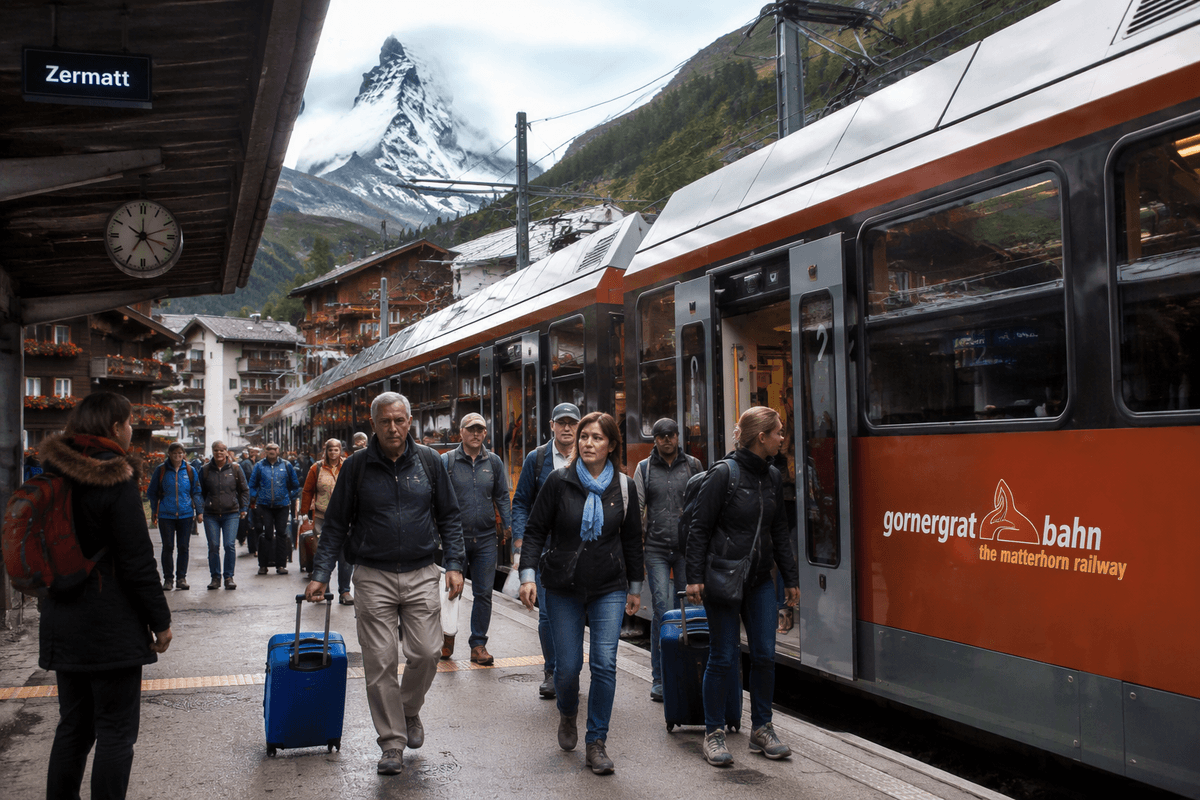
The point where the “car-free charm” becomes real is when you step off the train in Zermatt and realize you’re still not done traveling—you’re just switching from transit to schlepping. From Zurich, the train routing is straightforward (usually via Visp), but the trade is time: it’s a solid half-day door-to-door once you count connections, and a missed link can quietly eat into your first afternoon.
Inside the village, walking is the default, and it’s mostly pleasant until it isn’t—cobblestones, a slight incline, and rolling luggage that suddenly feels like a bad idea. If your hotel is farther from Bahnhofstrasse or uphill toward Winkelmatten, the electric taxis are worth budgeting for on arrival (and occasionally after a long day), because “it’s only 12 minutes on the map” hits differently with bags or tired legs.
For getting around beyond the village core, the local e-bus lines are useful but not constant everywhere, so don’t plan tight timing around them. In practice, we found it easiest to treat the train station area as the hub: store bags if you arrive early, keep your first day flexible, and save the most lift-dependent outing for a morning when the forecast looks genuinely stable.
Where to stay: areas, views, budgets, ski access
We hesitated at booking because the map makes Zermatt look tiny—until you remember you’ll be walking it, often uphill, sometimes with a changing forecast pushing you to start early. With 3–4 nights, I’d bias toward minimizing “daily friction” over chasing the most dramatic room view, because you’ll be in and out for lifts, hikes, and dinner, and those extra minutes add up fast.
If you want the easiest logistics, stay near the train station/Bahnhofstrasse corridor: it’s not the quietest, and some rooms won’t face the Matterhorn, but you’ll save time on arrival, have the widest restaurant/supermarket access, and you’re well-positioned for early starts when visibility is better. For a more “Matterhorn-forward” feel, Winkelmatten is appealing—quieter, prettier, and closer to the Sunnegga side via bus/walk—but the slope is real, and you’ll feel it at the end of a long day (or in rain).
Mid-range strategy that actually works: pick a solid 3-star or apartment-style stay with a balcony and flexible cancellation, then spend your “view budget” on one or two paid viewpoints when the weather cooperates. Paying a premium for a guaranteed in-room view can sting if clouds park on the peak for half your trip.
What to do: Matterhorn viewpoints, hikes, skiing, culture
We made the mistake of assuming “the highest lift = the best Matterhorn view,” then watched a cloud band sit stubbornly at the top while the mid-mountain looked crystal clear. If you only have 3–4 nights, pick one “big” viewpoint day and one “flex” day, because wind and visibility can turn an expensive excursion into a white-out with a gift shop.
For the classic, low-effort win, Gornergrat is the most reliable mix of views and simplicity: it’s a train ride (less weather-sensitive than big cable cars), the panorama is immediate, and you can scale your effort—walk a bit along the ridge, or commit to the Gornergrat–Riffelberg/Riffelsee stretch if your legs and conditions agree. The limitation is timing: by mid-morning it can feel like everyone from the valley arrived at once, so it rewards an early start more than most activities here.
If you want “light hike with big payoff,” Sunnegga/Blauherd tends to feel friendlier than the high-alpine extremes: the trails are approachable, and you still get those sharp Matterhorn angles without needing a heroic day. Klein Matterhorn (Matterhorn Glacier Paradise) is the splurge—amazing when clear, but it’s the one I’d only lock in when the forecast is convincingly stable, because it’s hard to “salvage” if the top is socked in.
And if skiing is part of your identity, commit to it for at least a full day—otherwise the rentals, lift costs, and transitions eat time fast. For a culture breather (or a weather save), the village itself works better than it sounds: a slower stroll, a museum stop, and an early dinner can be the difference between feeling rushed and feeling like you actually landed in Switzerland.
Practical essentials: passes, bookings, packing, etiquette, safety
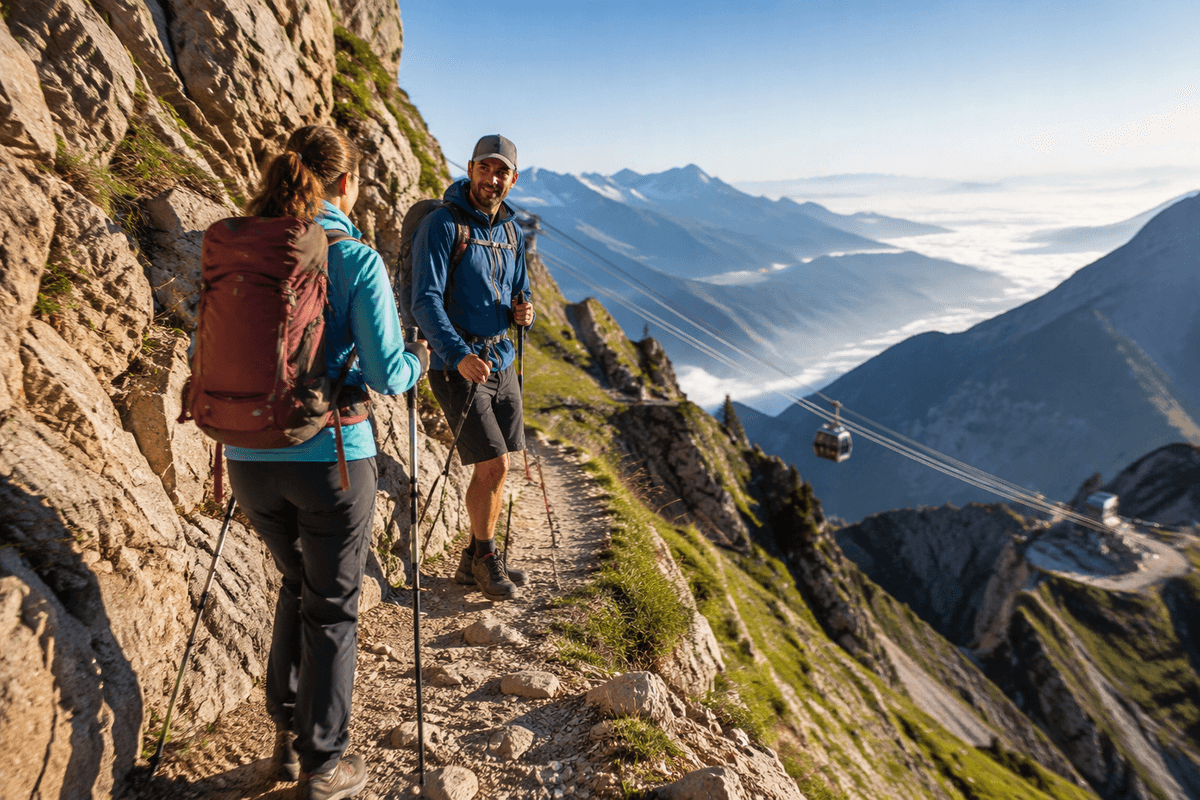
On the morning we finally had a clean forecast, the temptation was to “buy everything” and lock the whole day—until we noticed how quickly Zermatt punishes rigidity. If you’re here for 3–4 nights, prioritize booking the pieces that can actually sell out (your hotel, and any specific time-slot experiences if you pick one), but keep lift decisions as close to the day as your risk tolerance allows. A pass can be good value if you’re stacking multiple mountain days, but it’s not automatically cheaper if weather nudges you into one big excursion plus hikes from mid-stations.
Packing is less about extremes and more about swing: sun at lunch, sharp wind an hour later, and a surprise shower that turns “easy trail” into slippery effort. We were happiest with light layers, a real rain shell, and shoes with grip (not fashion sneakers), plus a small daypack for water and an extra layer—because buying replacements in Zermatt is convenient, but rarely cheap.
Etiquette and safety are mostly about not treating the mountains like an amusement park: start earlier than you think for clearer views, yield politely on narrow trails, and don’t force a high point if wind or visibility is deteriorating. The village feels easy, but the altitude and fast-changing weather can turn a casual plan into an early turnaround—build that margin in on purpose.
Putting it together: a confident Zermatt plan that fits you
The moment that made the whole trip click was looking at the forecast over breakfast and admitting we didn’t need to “win Zermatt” in one perfect day. With 3–4 nights, plan for two mountain mornings and leave the rest modular; trying to lock every lift in advance feels efficient, but it’s how you end up paying top price for low visibility.
A workable rhythm is: Day 1 arrive + village pace (and an early night if travel runs long), Day 2 your “big view” pick if skies are clean, Day 3 lighter hike day from a mid-station, Day 4 a second viewpoint only if conditions earn it—otherwise, keep it local and leave without feeling wrung out. It’s less about doing everything and more about doing the right thing on the right day.
If you only make one decision now, make it this: book the stay you can live with if the Matterhorn hides, then let the mountain days be a weather-led choice. That single constraint keeps the trip from turning into an expensive negotiation with clouds.