Start: Must route; Opt season; Skip overplanning.
The first real decision happened before we booked anything: do we want to “see the whole map,” or do we want a route that still feels like a vacation on Day 10? Costa Rica looks compact, but the roads and weather make it feel bigger—especially once you factor in daylight driving and the fact that a 3-hour estimate can quietly become 5 with rain or a slow truck convoy. For a first trip with a nature + beaches goal, the cleanest win is committing to one interior nature hub (Arenal/La Fortuna plus Monteverde) and one Pacific beach stretch (Manuel Antonio, then Guanacaste/Nicoya), instead of trying to bolt on the Caribbean too.
Season matters, but not enough to paralyze you: dry season is easier for driving and beach days, while green season is cheaper and lusher—just plan around afternoon storms and don’t stack long transfers late in the day. The temptation is to micromanage every tour now; resist it. Lock in lodging, a rental car or shared shuttles, and one or two “anchor” activities per stop (like Poás or Manuel Antonio National Park), then leave daylight for the stuff you’ll only notice once you’re actually there.
Days1–2 San José—Must Poás; Opt city; Skip long stay.
Our first friction point in San José was realizing how easy it is to waste Day 1 “settling in” and then still feel jet-lagged the next morning. We treated the city like a logistics base: land, grab a SIM, pick up the rental car only if you’re confident driving (city traffic is messy and parking adds hassle), and choose a hotel that’s practical for your next move—either near the airport for an early Poás start, or central if you actually want dinner and a short walk. It works well as a one-night reset; it doesn’t work as a multi-night stay if your goal is nature + beaches.
Poás Volcano was the clear must, but it’s not a casual “we’ll go whenever” stop. You’re dealing with timed entry and weather: mornings tend to cooperate more, while late day can turn into fog or rain that makes the crater feel like a blank gray bowl. We aimed to be on the road early, which meant accepting a less leisurely breakfast and building in extra time for slow mountain driving. If Poás gets socked in or restricted, having La Paz Waterfall Gardens as a backup nearby keeps the day from feeling like a bust.
San José itself is optional in a very specific way: if you love food and coffee, a curated evening (one market, one proper meal) can feel worth it; if you’re chasing hikes and hot springs, every extra urban hour has an opportunity cost. We skipped museums this time because it made the Day 3 transfer to La Fortuna feel calmer, not rushed.
Days3–5 Arenal/La Fortuna—Must hike; Opt springs; Skip rafting.
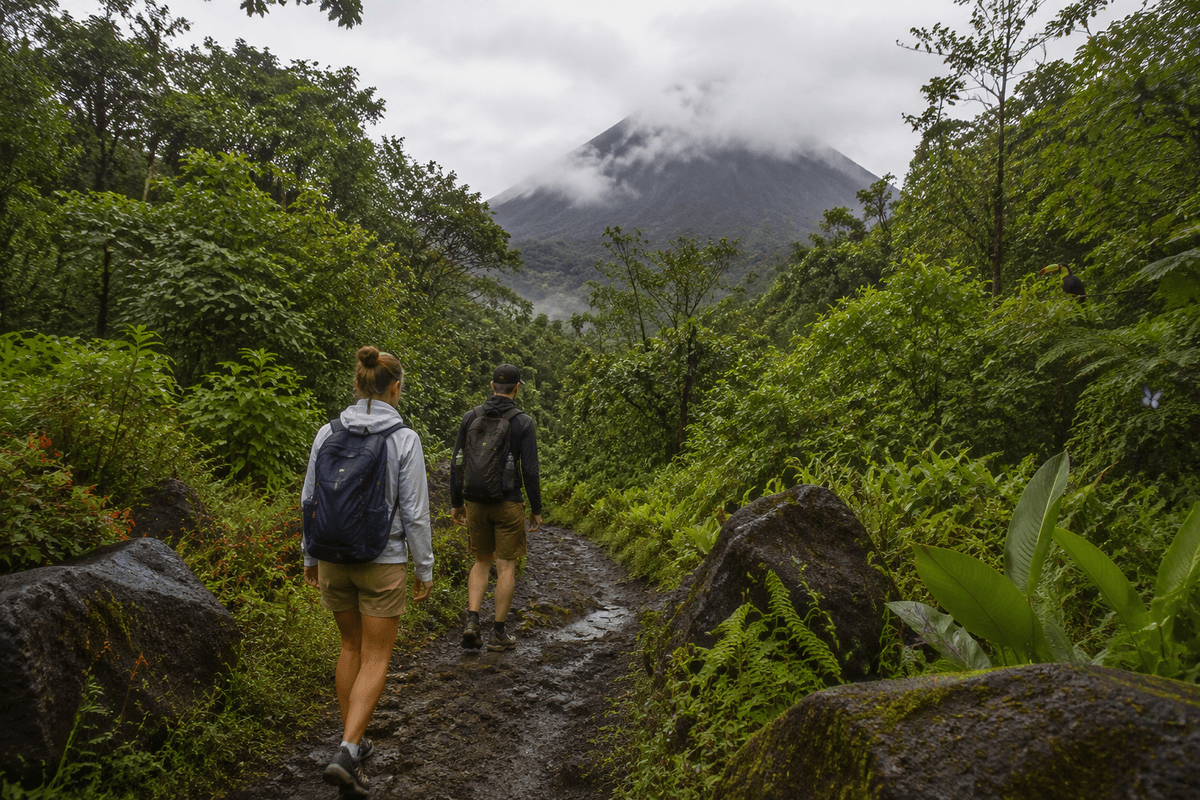
Day 3 started with that classic Costa Rica math problem: the map says La Fortuna isn’t far, but the drive is slow enough that you feel every extra stop. We left after breakfast instead of trying to squeeze in “one more” San José errand, and it paid off—arriving with daylight meant we could actually orient ourselves (lake views, town layout, where dinner is) instead of doing it in the dark. If you’re renting a car, this is also when you learn whether you like the pace of self-driving; if you’re already tense in traffic, a shared shuttle costs more but saves your energy for the hikes.
For Days 4–5, the non-negotiable here is a real Arenal-area hike, not just a roadside photo. We liked an early start because heat and crowds stack up fast, and muddy trails get harder once afternoon rain rolls in. The catch: “volcano views” are fickle—some mornings are postcard-clear, some are a gray wall—so choose a trail you’d still enjoy without the perfect panorama (lava rock, forest, wildlife) rather than betting everything on the cone.
Hot springs were our optional add, but timing matters. A mid-range couple can do one evening at a nicer complex for the experience, then skip the rest; multiple nights gets expensive fast and starts to feel repetitive. We deliberately skipped rafting here—not because it’s bad, but because it eats a full day and you’ll feel it on the next transfer if you’re sore, sunburned, or running behind.
Days6–7 Monteverde—Must cloudforest; Opt zipline; Skip night tour.
Monteverde was the first place we felt the itinerary fight back a little: the transfer from La Fortuna is short on paper, but the last stretch is slow, bumpy, and concentration-heavy if you’re driving. We left mid-morning so we weren’t arriving exhausted at dusk, and it made the town’s slightly scrappy layout feel easier (parking, finding a decent dinner, figuring out where your “meeting point” is for tours). If you’re on shuttles, this leg can be smoother, but you’ll pay for it—and you’ll still lose most of the day to transit.
The must here is a cloud forest walk, and it’s worth treating it like your “early anchor” of the whole stop. We went first thing because wind and mist tend to build, and once the clouds settle in you’re basically paying for ambiance over views. Choosing between Monteverde Cloud Forest and Santa Elena came down to crowds and vibe: the famous reserve has the name (and the people), while the quieter option felt easier to enjoy without constantly leapfrogging groups.
Ziplining is the optional add that actually fits well: it’s half-day energy, high payoff, and you’re not gambling on clear weather the same way you are with overlooks. We skipped the night tour after realizing how it stacked friction—late pickup, damp chill, and the very real chance you see less than you hoped—right before another travel day.
Days8–10 Manuel Antonio—Must park; Opt mangroves; Skip peak midday.
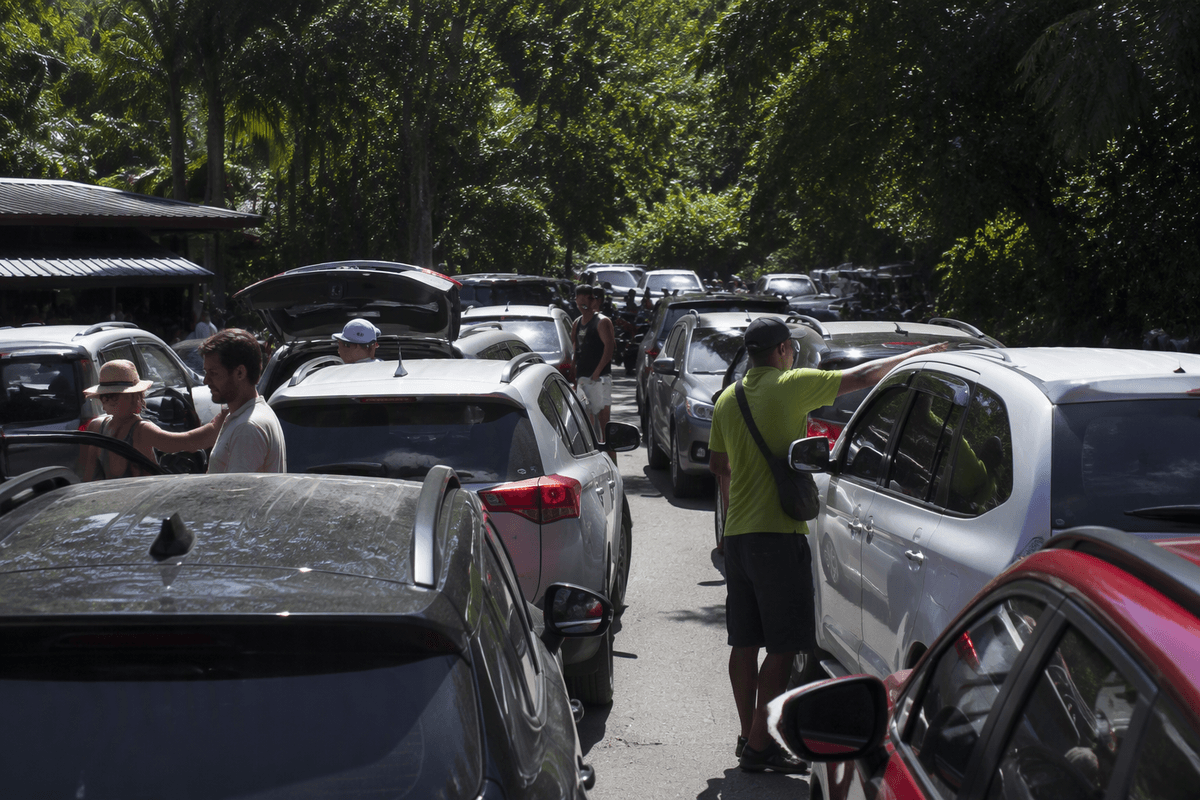
We rolled into Manuel Antonio expecting “easy beach town,” and immediately hit the reality: this is where Costa Rica feels busiest, and the small logistics (parking, timing, where you eat) decide whether the stop feels smooth or slightly combative. We planned the transfer so we arrived with enough daylight to do one practical thing—walk to the beach, buy snacks, confirm the next morning’s park entry—because trying to tack on a sunset hike after a drive usually turned into a damp, rushed scramble.
Manuel Antonio National Park is the must, but it only works if you treat it like an early appointment, not an all-day outing. We went at opening, walked the main trails while it was still cool, and were back out before the late-morning crush made wildlife sightings feel like a group project. Midday inside the park is when the heat, line-ups, and “where’s the shade?” fatigue stack up; pushing through can be fine if you’re determined, but it’s not the best use of energy when you also want beach time.
The optional add that balanced the stop was a mangrove tour (Quepos area): calmer pace, different wildlife, and it plays better with afternoon weather than trying to force another sweaty hike. It does cost you half a day and you’re trading ocean swimming for boat time, but if you’re arriving a little fried from the earlier legs, it’s one of the few tours here that actually feels restorative instead of competitive.
Days11–13 Guanacaste/Nicoya—Must beachbase; Opt surf; Skip resort-hopping.
By Day 11, the question wasn’t “which beach is prettiest,” it was how much driving we could absorb without turning the last third of the trip into a windshield marathon. Guanacaste/Nicoya rewards committing to one beach base for three nights—somewhere you can walk for coffee, do sunsets without planning, and still day-trip if you wake up restless. We picked a single hub and treated everything else as optional spokes, because every “quick” hop between beach towns comes with slow roads, surprise traffic in the one-lane pinch points, and the annoying overhead of re-checking in, re-parking, and re-learning where to eat.
The beach base plan works best when you choose your sand based on your tolerance for people and rougher water, not just photos. Busier towns make dinners and tours easy but can feel loud (and pricier) for a couple/friends trip; quieter stretches buy you space, but you’ll drive more for groceries and you’ll feel it if you’re short on daylight. We liked having one full “nothing day” here—no tour window, no alarm—because it’s the only way the earlier inland mileage stops haunting you.
Surf is the add-on that fits cleanly: a lesson in the morning, then you’re free. The catch is you’re at the mercy of conditions, and beginner-friendly breaks can get crowded fast, so we aimed for the earliest slot and accepted that our arms were useless later. What we skipped was resort-hopping; even one move can cost you the best beach hours, and at this point, consistency beats novelty.
Wrap Day14—Must buffer; Opt souvenirs; Skip tight connections.
On Day 14 we had that itchy urge to squeeze in “one last beach morning,” but we treated it like a logistics day on purpose: pack, check the drive time to the airport against reality (not Google optimism), and leave a buffer that could absorb roadwork, rain, or a slow crawl behind trucks. It’s not exciting, but it’s the difference between ending the trip with a calm coffee and ending it arguing in the car while your boarding time gets uncomfortably close.
If you want something small, souvenirs work best when they’re low-stakes and easy to abandon if time slips—coffee, chocolate, a couple of local snacks—rather than a big detour to hunt for the “perfect” artisan market. We kept our last stop close to the airport corridor and accepted the slightly higher prices as the cost of not gambling on traffic. The one thing we actively avoided was tight connections: an itinerary that’s been smooth for 13 days can still unravel fast on the 14th if you plan like nothing will go wrong.