Why “resistant” hypertension isn’t always straightforward
The first clue is often how “normal” the day feels while the numbers refuse to cooperate. You take three medications, maybe more, and the cuff still flashes something higher than you expected—sometimes only at night, sometimes only before the next dose is due. It can start to feel like the medicines “aren’t working,” but resistant blood pressure is rarely a single switch you flip with an extra pill. Even the basics can blur the picture: a cuff that’s slightly small, a rushed reading after coffee, or home checks that happen only on the “bad” days can make a steady pattern look chaotic.
What makes it stubborn is the way small drivers stack. A salty routine that doesn’t register as “high sodium,” inconsistent sleep, weight drift, alcohol, NSAIDs, decongestants, or missed/late doses can all nudge the baseline up. Meanwhile, some bodies keep a louder background signal—stress hormones and kidney-related nerve activity that encourage vessels to stay tighter. When those layers overlap, escalating medication can add side effects without reliably changing the trend, which is why “resistant” often means “needs a closer look,” not “out of options.”
Hidden contributors that keep pressure high over time
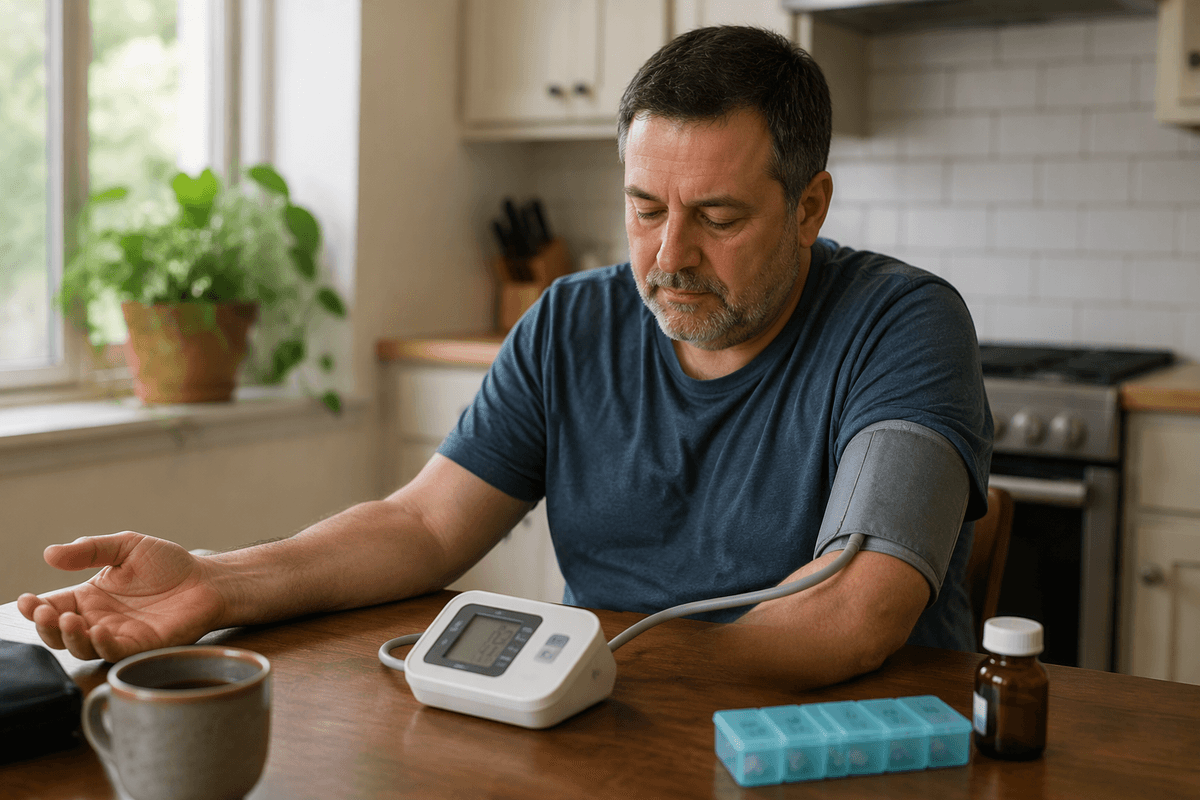
It can be oddly consistent: you sit down, breathe, take two readings, and the second one is still higher than your “on-medication” expectation. That’s when hidden contributors start to matter—not dramatic one-time triggers, but repeatable patterns that quietly reset your baseline. A common one is timing: a dose that slips by a few hours, a diuretic you avoid before a long drive, or a refill gap that feels too small to count. Even “as prescribed” can behave differently if a medication peaks while you’re at work and wears off overnight.
Then there are the slow accumulators. Sodium doesn’t always announce itself as salty; it shows up as breads, sauces, deli foods, and restaurant portions that are simply consistent. Poor sleep can act like a nightly stress test, and weight drift can change how much pressure your system “needs” to maintain flow. Add in NSAIDs, decongestants, or regular alcohol, and the body’s background constriction signals may stay turned up. None of this proves a single cause, but it explains why the numbers can stay high even when your pill list keeps growing.
When medication escalation creates its own friction
The friction usually shows up in small moments: ankles that feel tighter by afternoon, a dry mouth that makes you sip water all night, a pulse that seems a little louder when you lie down. On paper, adding a fourth medicine looks like a clean next step. In practice, each new prescription can introduce a new “rule” to live by—take with food, avoid at bedtime, expect more bathroom trips—and that effort isn’t evenly sustainable on busy or stressful days.
There’s also a measurement trap that can make escalation feel urgent when the pattern is actually uneven. Some regimens lower pressure well for a few hours, then fade before the next dose, so home readings cluster around the higher troughs. Other times side effects lead to quiet dose-splitting, skipped diuretics, or delayed refills, which looks like “medication failure” but is really medication burden. The result can be more medicines, more variability, and still the same baseline staring back from the cuff.
What minimally invasive therapy is trying to change
Sometimes the tipping point is how your body feels between doses: a brief window where the reading improves, then it creeps back up as if something underneath is reasserting itself. That “underneath” is what minimally invasive therapies are trying to target—not your daily sodium choices or whether you took a pill late, but the persistent signals that keep pressure biased upward even when you’re already on multiple medicines.
In many workups, the question becomes whether there’s a steady, repeatable pattern that suggests more than just timing, measurement quirks, or medication tolerance. Catheter-based and device approaches are built around the idea that certain nerve pathways and reflex loops can stay overactive, continually telling blood vessels to hold more tone and the kidneys to behave as if the body needs higher pressure. This isn’t always obvious from symptoms, and the effect may be uneven—helpful for some patterns, modest for others—so it tends to sit alongside, not replace, careful home tracking and medication review.
Renal denervation versus device-based baroreflex approaches
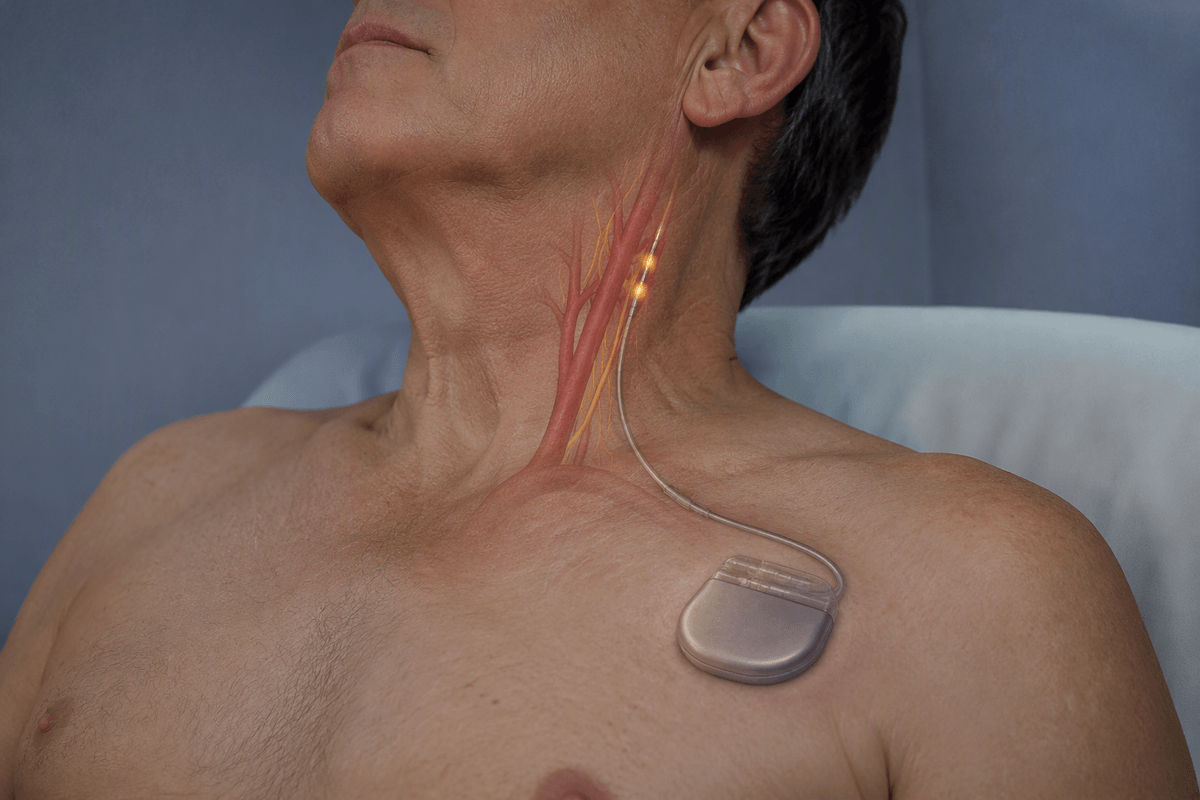
The confusion often starts with the names. “Renal denervation” can sound like kidney treatment, while “baroreflex” sounds like something happening in the neck or chest—and both are really about signaling, not filtration or clogged arteries. If your home readings stay predictably high despite a full pill routine, clinicians may frame the choice as: do you try to quiet the kidney-related nerve traffic that keeps pressure biased upward, or do you try to amplify the body’s own pressure-sensing reflex so it pushes back harder?
Renal denervation is catheter-based, using energy along the renal arteries to disrupt sympathetic nerves that influence vessel tone and kidney hormone release. Baroreflex approaches are device-based: an implant stimulates baroreceptors (pressure sensors) to prompt a “downshift” in sympathetic drive. The trade-off is practical as much as physiologic—renal denervation is typically a one-time vascular procedure with no implant to maintain, while baroreflex therapy adds hardware and follow-up considerations. Neither guarantees a clean, immediate drop, and the response can be frustratingly uneven, especially if sleep, sodium routines, or dose timing are still tugging the numbers upward.
Practical trade-offs patients weigh before procedures
The hesitation often shows up while staring at a week of home readings: they’re consistently high, but not always high in the same way. Some days look “close enough,” and it’s hard to tell whether a procedure would meaningfully change your baseline or just smooth the edges. That uncertainty matters because minimally invasive options don’t behave like a rescue dose—you may not feel a clear before-and-after, and the payoff can look more like a modest shift that still requires the same daily vigilance.
People also weigh what they’re trying to escape. If side effects are the real grind, a one-time catheter procedure with no implant can sound appealing, but it still carries procedural risks and the possibility of a smaller-than-hoped response. If the goal is steadier control across the full day, an implanted baroreflex device may offer a different path, but it adds hardware, follow-up, and the mental load of “having something in you.” Often the deciding factor isn’t enthusiasm—it’s which inconvenience feels more livable.
After the procedure, control still needs active management
The first surprise is how ordinary the next few weeks can look: the same morning routine, the same cuff, and numbers that don’t “flip” overnight. Some people notice a gradual shift; others see a choppy pattern that’s hard to interpret because recovery, stress, and sleep aren’t consistent. It can feel like the procedure didn’t land, when it may simply be that the background signal is quieter but not gone.
That’s why the work often continues in the unglamorous places—dose timing, refill gaps, the salty meals that didn’t taste salty, and the nights when sleep falls apart. Many patients still stay on medications, at least for a while, and adjustments tend to be slow and data-driven. The procedure may change the slope, but the day-to-day pushes still decide where the line settles.