Is Iceland romantic enough for your honeymoon?
The first time you price out Iceland for a honeymoon, the romance can feel like it’s losing a negotiation: rental car plus insurance, a couple of hotel nights that cost more than you expected, and suddenly you’re asking whether waterfalls and hot springs are enough to justify it. The honest answer is yes—if your idea of romance includes shared micro-adventures, not just candlelight. Iceland’s most “couples” moments often happen in the in-between: pulling off at a roadside viewpoint because the light is perfect, warming up in a steamy pool while the wind slaps the water’s surface, or eating something simple in the car because the weather turned your dinner plan into a detour.
What works incredibly well here is how quickly the scenery creates intimacy. You don’t need a packed itinerary to feel like you’re “doing” the trip—one strong day of driving can stack black-sand beaches, cliffs, and a quiet soak into a single loop. What doesn’t work as smoothly is when you try to force classic honeymoon pacing onto Iceland: late reservations, long meal waits in busy towns, and the reality that winter darkness (or summer’s never-ending light) changes your energy more than you think.
If you’re comfortable trading predictable luxury for dramatic, shared experiences—and you plan around weather, daylight, and bookings—Iceland delivers romance in a way that feels earned, not staged.
Landscapes that feel cinematic, instantly intimate
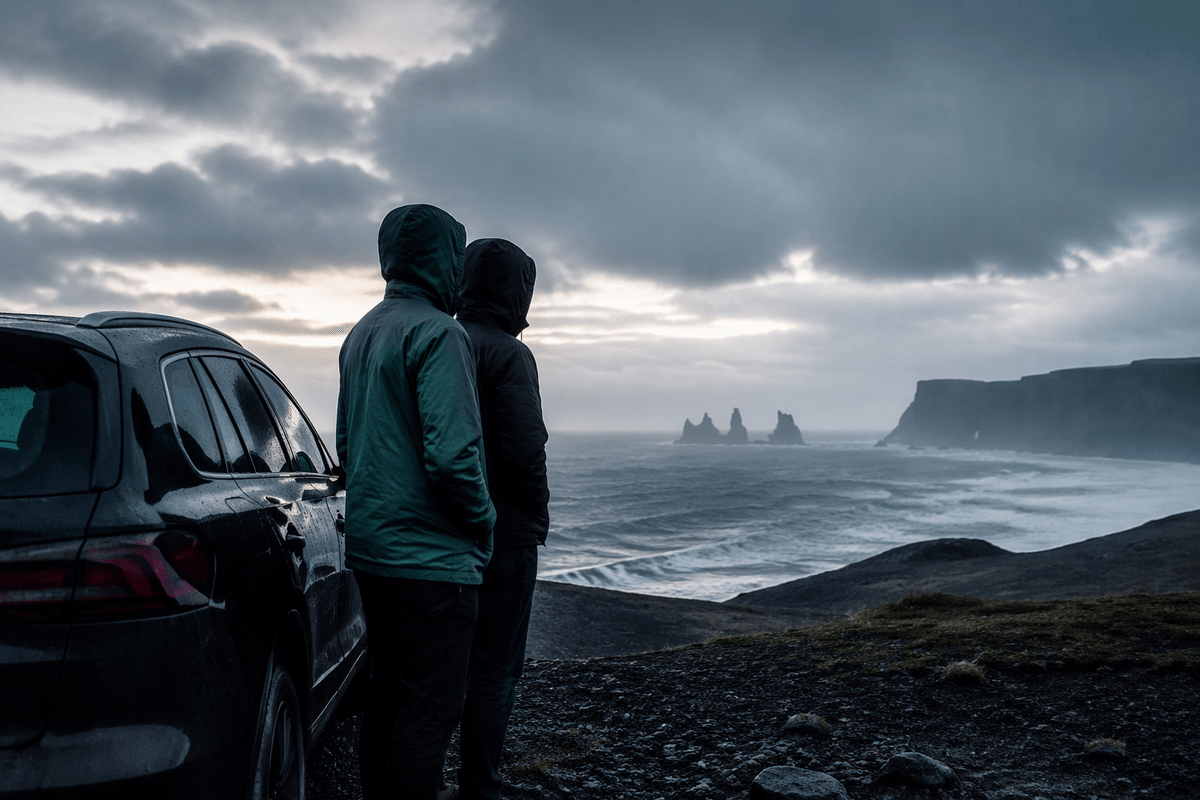
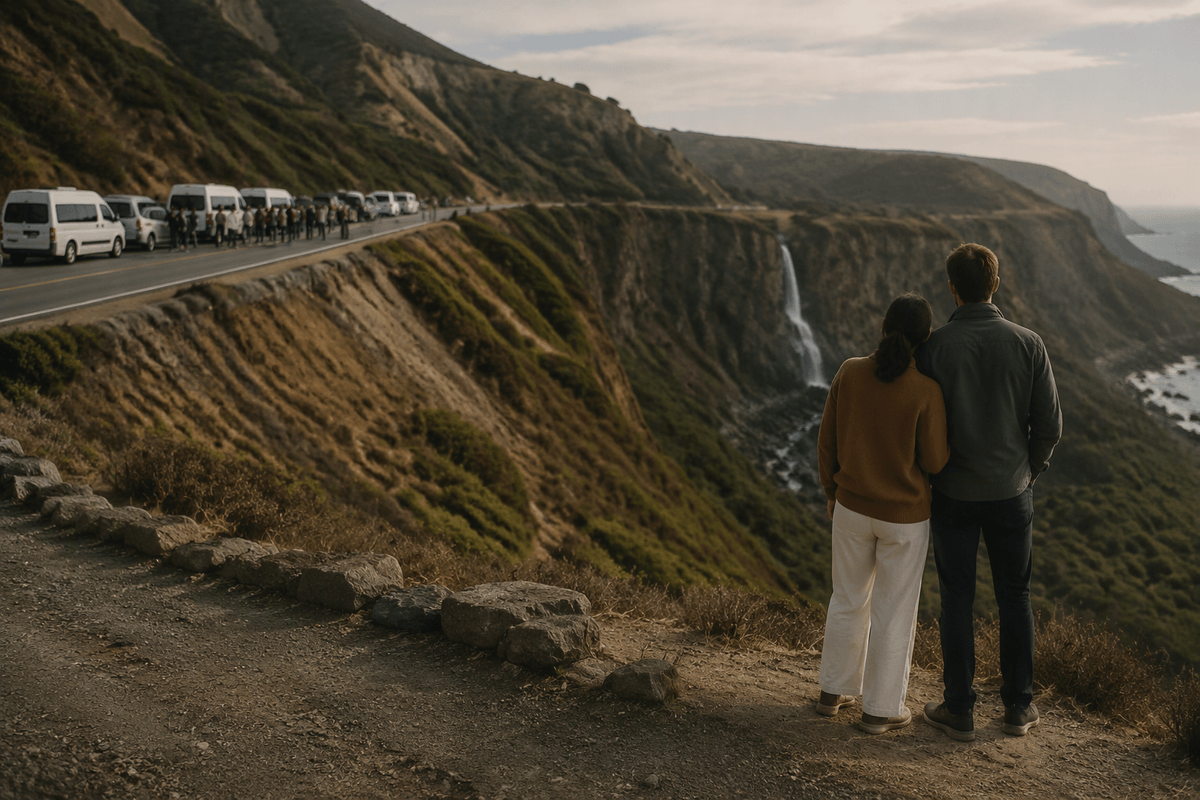
The most convincing “honeymoon” moments in Iceland aren’t manufactured—they happen when the landscape does the work before you’ve even parked the car. On the South Coast, you can go from a wide, gray ocean horizon to a waterfall that feels like a movie set in under an hour, and that quick shift has a way of pulling you into the same frame: hoods up, hands stuffed in pockets, sharing one set of reactions because there’s nothing else competing for your attention.
What works well is how easy it is to build a cinematic day without over-committing: a short loop of stops—one big waterfall, one black-sand beach, one cliff walk—can feel like “enough” even if the weather cuts your plans in half. The most famous viewpoints (especially right off Route 1) are also the least intimate at peak hours. If privacy is part of the romance for you, the trade-off is simple: start earlier than you want to on vacation, or accept a longer drive to a less obvious stop where the soundtrack is wind instead of tour buses.
Also, the same scenery that looks effortless in photos can be physically demanding. Strong gusts, sideways rain, and wet trails make hand-holding feel less cute and more like a stability plan—worth it, but only if you budget time to move slower and warm up afterward.
Couples’ rituals: lagoons, hot springs, slow mornings
The first “honeymoon ritual” decision usually shows up as a spreadsheet problem: do you splurge on a lagoon day, or keep it simple with a smaller local pool and spend the money on a better room? The big-name options feel undeniably romantic—warm water, cold air, that unreal contrast—but they also come with real friction: timed entry, higher prices, and a very finite sense of privacy if you arrive in the late morning wave.
What works consistently is building slow mornings on purpose, not as an accident. Iceland rewards you when you let the day start with breakfast, a weather check, and a short drive to a hot spring before your “big” sightseeing—especially in winter, when daylight compresses and you don’t want your only soak to happen after a long, tense drive. The trade-off is that spontaneity gets expensive: popular lagoons can require booking ahead, and some of the most comfortable experiences are the ones you plan like reservations, not like serendipity.
Northern lights vs midnight sun: choose your vibe
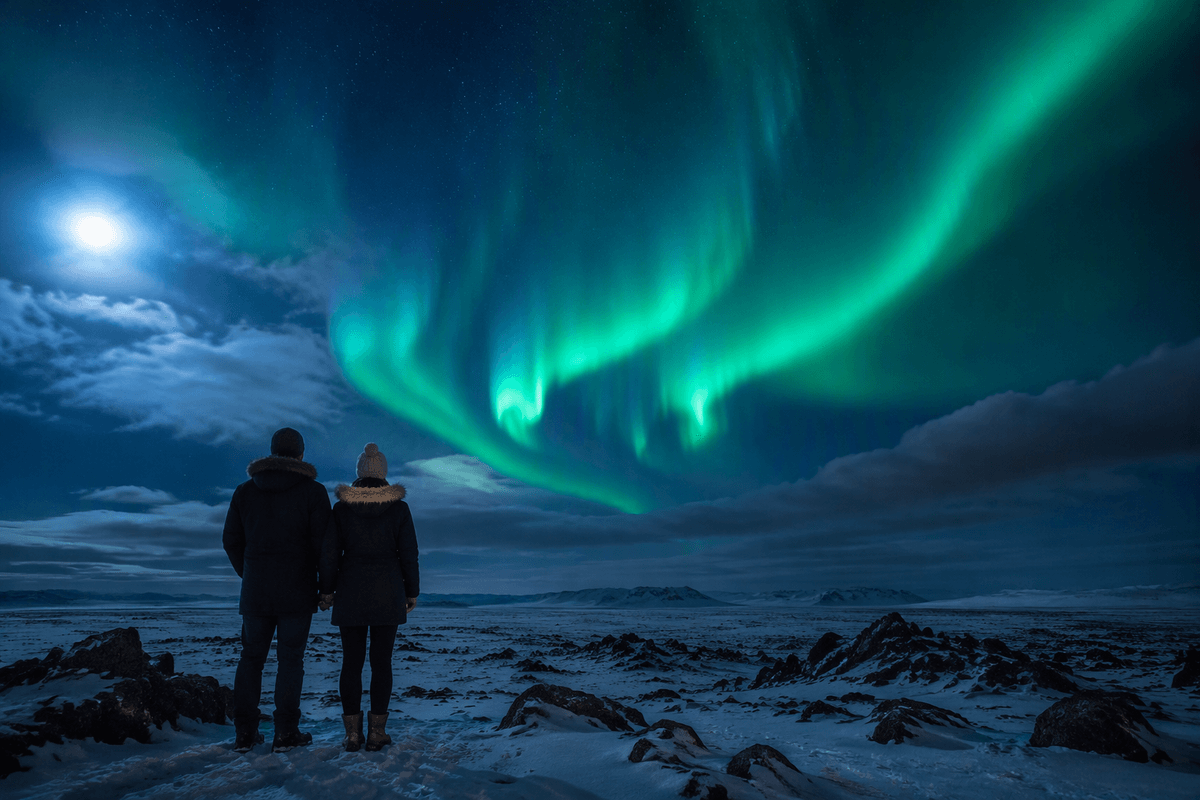
The seasonal choice is where Iceland stops being “romantic in theory” and starts shaping your actual mood. In winter, you’re working with limited daylight and a tighter radius each day—great for cozy pacing, less great if you’re imagining long scenic drives with lots of stops. The upside is that the dark makes the country feel quieter, and if the aurora shows up, it’s the most cinematic kind of shared silence. It’s not a bookable experience: clouds, solar activity, and road conditions can turn a “northern lights night” into an early sleep after a stressful drive.
Summer flips the trade-off. Midnight sun gives you time—endless, flexible time—which is genuinely romantic if you like wandering without checking the clock. But it can also blur your days and mess with sleep unless you’re disciplined about blackout curtains and a wind-down routine. If your honeymoon vibe is “slow mornings, hot pools, early nights,” winter can fit surprisingly well. If it’s “long hikes, late dinners, and squeezing in one more waterfall,” summer is the easier version of Iceland.
Small-country logistics: easy road trips, cozy stays
The first real logistics fork in Iceland is whether you want to “base and branch” or keep moving. On paper, the island reads small—one main ring road, major sights clustered along the South Coast—and that’s what makes the road-trip version feel doable for a 6–10 day honeymoon. In practice, the drives are easy until they’re not: wind that makes the car feel light, a sudden downpour that slows you to a crawl, and the small fatigue tax of getting in and out of layers every time you stop.
What works well is picking two or three home bases (Reykjavík plus one or two nights near Vík or Hella/Hvolsvöllur, then maybe Snæfellsnes) and treating everything else as a day loop. It keeps your evenings calmer—one unpack, one dinner plan, one hot tub—without sacrificing the “we saw a lot” feeling. What doesn’t work is over-optimizing: if you book a new hotel every night for efficiency, you often lose the cozy part to check-in windows, wet boots, and the low-grade stress of making it before dark.
For stays, the romance isn’t always the fanciest room—it’s choosing a place with breakfast, parking that isn’t a puzzle, and a hot pot or sauna you’ll actually use after a cold day. The constraint is availability: the best small, intimate properties fill early, so last-minute planning tends to push you toward larger hotels or longer drives to find something that fits.
Budget, weather, crowds: trade-offs worth knowing
The first real budget shock often lands in the middle of an otherwise romantic day: you’ve just walked off a black-sand beach, your clothes smell faintly of sea spray, and the “quick lunch” you counted on costs enough that you start recalculating the rest of the week. Iceland can still feel worth it, but it rewards couples who decide where to spend on purpose—one paid lagoon you’ll remember forever, one truly cozy room with breakfast, and then a string of simpler wins (gas-station soups, bakery stops, grocery picnic supplies) that keep the trip from turning into a running total.
Weather is the other hidden line item. A forecast that looks fine in Reykjavík can turn into sideways rain an hour later, and the cost isn’t just discomfort—it’s lost time, slower drives, and occasionally the need to reshuffle reservations. The short daylight makes “we’ll just see one more waterfall” a risk calculation, not a vibe. If you want romance without white-knuckle driving, build slack into the plan and treat a weather-pivot day as normal, not a failure.
Crowds are the trade-off you feel most at the iconic stops. Midday on the South Coast can read like a group itinerary, which changes the mood fast. What works: earlier starts, dinner reservations a little outside peak hours, and choosing one “famous” sight per day—then earning privacy with a longer walk, a smaller pool, or a quieter detour that feels like it’s just yours.
Deciding confidently: the Iceland honeymoon that fits you
The decision point usually shows up late at night, once you realize Iceland isn’t a “we’ll figure it out” honeymoon unless you’re unusually chill about weather and money. If you want romance that feels effortless—room service, predictable sunshine, short transfers—Iceland can feel like work. But if your version of romance is shared problem-solving (rerouting around rain, pulling over for a sudden rainbow, ending the day in a hot pot because you’re too tired to do anything else), it fits in a way that’s hard to replicate.
A quick way to choose confidently: pick the constraint you refuse to fight. If you hate winter driving, don’t plan a full Ring Road loop in shoulder season—base yourself, keep days shorter, and pay for comfort (good stays, one lagoon, flexible cancellations). If you hate crowds, go earlier in the day and accept longer walks and fewer “top ten” stops. If the budget is tight, build the itinerary around free scenery and simple food, then spend on one or two anchor experiences you’ll actually remember.
When Iceland works, it’s not because everything goes smoothly—it’s because your plan leaves room for the country to interrupt it, without interrupting you two.