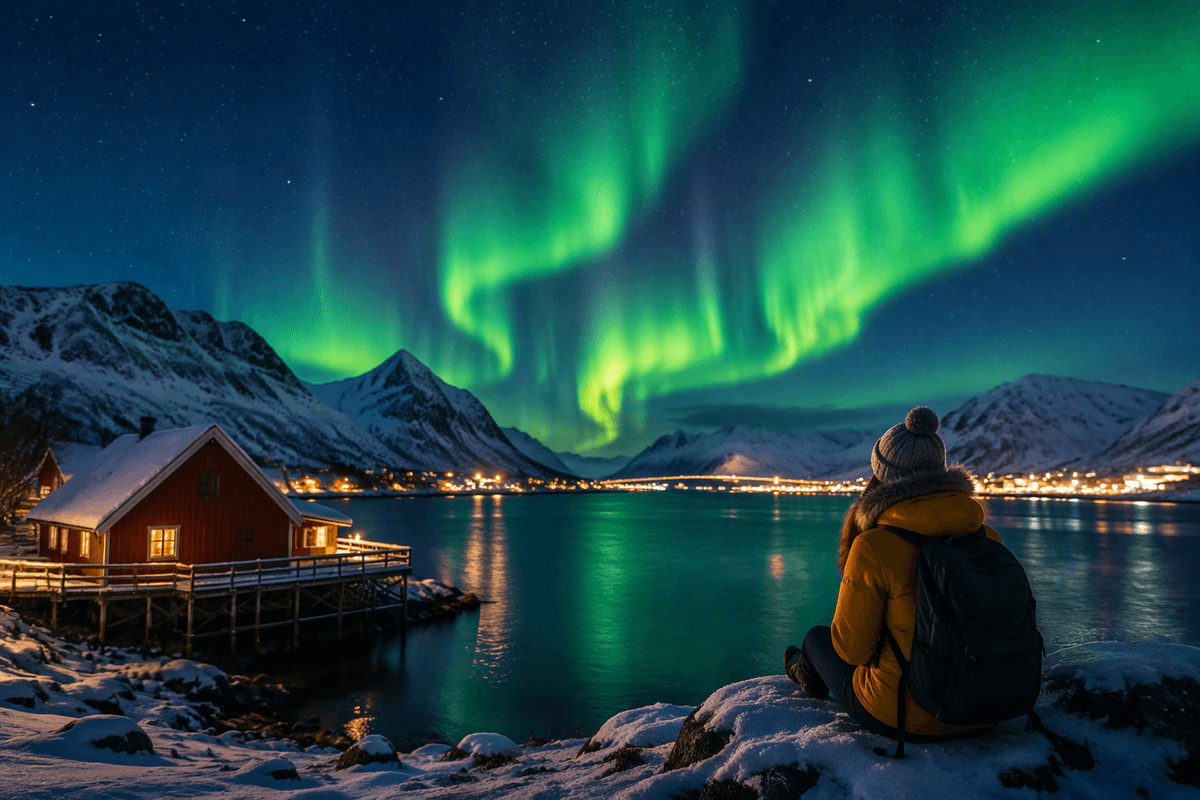
From Mumbai to the Arctic: the planning leap
The first time I tried to map “Mumbai to the Arctic” on a work calendar, the math felt hostile: one long-haul flight chain, at least one messy connection, and then the real cost—burning two leave days just to arrive tired.
That’s where the “Aurora Express” idea starts to make sense. A packaged tour can compress decisions (airport transfers, hotel check-ins, chase logistics) into something you can actually execute after a full week at the office. The trade-off is you’re paying for convenience and still not buying certainty—clouds don’t care what you paid.
DIY planning looks cheaper on paper, until you price last-minute taxis, missed connections, and the simple friction of landing in sub-zero darkness and needing a working SIM immediately. For a 6–10 day break, the leap isn’t just distance—it’s choosing where you want to spend your attention: on the sky, or on logistics.
Where to go: Norway vs Finland vs Iceland
The first real fork in the road is geographic, and it shows up fast when you stare at flight times from Mumbai: Norway, Finland, or Iceland. I wanted “maximum aurora odds per leave day,” which sounds neat until you factor in transfers, weather, and how much moving around you can tolerate after a red-eye.
Norway (usually Tromsø and nearby) works when you want a lively base—more hotel choices, restaurants open late, and tour operators who run like clockwork. The limitation is crowding and cost: popular weeks can feel busy, and even on a packaged “Aurora Express,” add-ons (extra nights, better hotel tiers) inflate quickly. Finland (often Rovaniemi, Saariselkä, or Inari) trades city buzz for structure: warmer accommodation options (glass igloos, cabins) and a calmer vibe that’s easier on first-timers. The friction is distance—some routes add an extra domestic hop or long transfer that eats a day.
Iceland is the wildcard: stunning landscapes by daylight, and easy “we’ll chase wherever it’s clear” energy. But the trade-off is wind and rapid weather swings—great tours cancel less than you’d fear, yet you’ll still lose nights to cloud or road conditions. If your priority is pure aurora chasing on limited leave, I’d lean Norway/Finland; if you want a broader winter trip even when the sky doesn’t cooperate, Iceland earns its higher risk.
Best season, moon, and weather for auroras
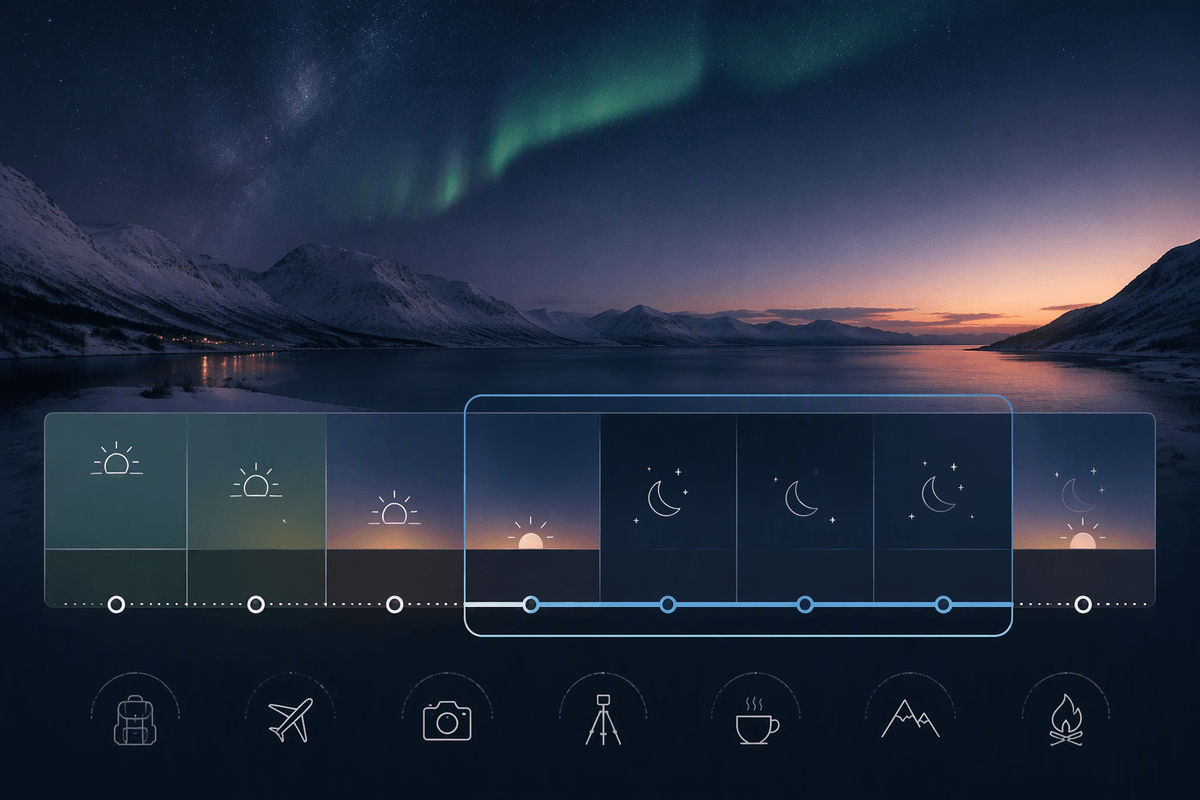
The first scheduling friction is realizing “aurora season” is bigger than your leave window. For Norway/Finland/Iceland, late September through late March is the realistic band, but for a Mumbai-style 6–10 day break I’d bias toward February to mid-March: long darkness, generally stable operations, and fewer “too-early dusk” compromises than November. The trade-off is cold—Finland can feel brutally still, while coastal Norway stays more tolerable but wetter.
Moon matters, but not as much as clouds. A new moon gives you darker skies (better for photos and faint curtains), yet a bright moon can make landscapes readable and reduce the “black void” feeling on your first night. If your tour locks dates, don’t reject a good itinerary just because it’s near a half or full moon; reject it if it gives you only one or two chase nights.
Weather is the real gatekeeper. I’d want at least 4–5 nights in one base so the tour can swap targets around cloud cover—because the best KP forecast still loses to a stubborn low-pressure system.
Aurora Express tour options and what’s included
I got stuck at a very practical question: is “Aurora Express” a fixed-base tour (sleep in one place, chase out and back) or a moving route (coach/train between towns)? Fixed-base Tromsø or Rovaniemi packages usually work better with limited leave because you’re not burning daylight on checkouts and luggage. You’re at the mercy of local cloud—operators can drive, but only so far before the “chase” turns into a 6-hour round trip you’ll feel the next morning.
Most mid-range Aurora Express itineraries bundle three things that are genuinely worth paying for: airport-to-hotel transfers timed to odd arrivals, 3–5 guided aurora nights with transport, and cold-weather overalls/boots (or at least access to them). What’s often not included—despite the name—is meals beyond breakfast, checked baggage on internal flights, tripod rentals, and the “best photo” promise (many tours take photos, but high-res downloads can be extra). Watch for the fine print on minimum participants and weather cancellations: some offer a free re-try night if you strike out; others simply log it as “attempted” and move on.
If you’re comparing options, I’d prioritize number of chase nights and how flexible the operator is about switching locations over fancy add-ons. Glass igloos and snowmobile evenings are fun, but they can quietly replace a chase night—the trade-off you notice only after you’ve flown all the way from Mumbai.
Flights, visas, insurance, and connectivity from Mumbai
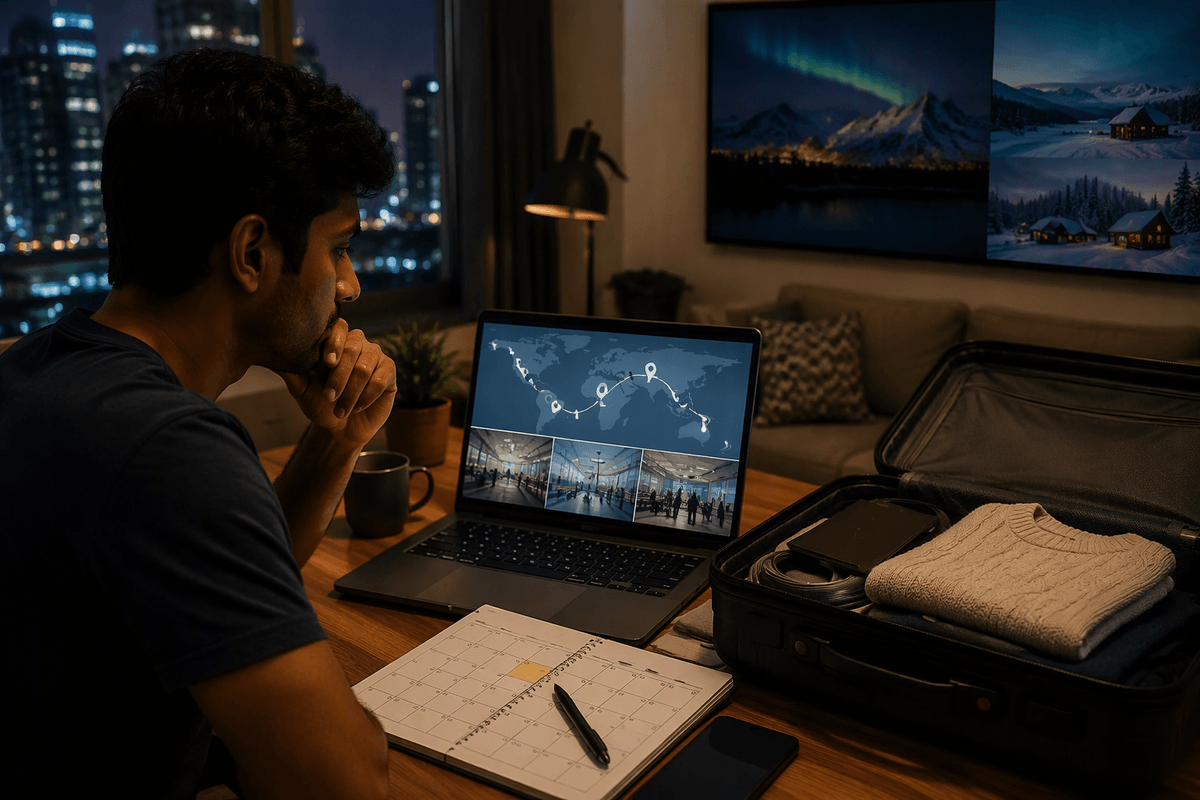
The first time I priced Mumbai-to-Arctic flights, the itinerary looked fine until I noticed the invisible costs: a 3 a.m. arrival into Oslo/Helsinki, a tight connection to Tromsø/Rovaniemi, and then the risk of one delayed leg collapsing the whole chain. If your Aurora Express tour starts the same day you land, give yourself a buffer night in the gateway city—or pick a package that begins the next evening—because winter ops plus fatigue is a fragile combination.
Visa friction is mostly Schengen logic, not aurora logic. Norway and Finland are Schengen; Iceland too. Apply to the country where you’ll spend the most nights (or your main entry point if nights are equal), and make sure your hotel confirmations match what you submit—packaged tours help here because the paperwork is cleaner. The appointments can be the choke point, so lock visas before you lock non-refundable internal flights.
Insurance is the unglamorous line item I wouldn’t skip: you want medical cover that explicitly includes winter activities if your itinerary has snowmobiles or husky rides, plus trip delay/missed connection coverage for multi-leg routing. For connectivity, don’t assume your Indian SIM will behave in the Arctic; eSIMs work well when they work, but cold drains phones fast. I carried a small power bank and downloaded offline maps before stepping into sub-zero night.
Packing and camera basics for sub-zero nights
The first packing mistake I almost made was assuming “I’ve done Manali in winter, I’ll manage.” Arctic cold is different because you’re stationary for long stretches—standing in a field at 1 a.m. while the guide checks cloud gaps—so wind and inactivity bite harder than the temperature number suggests.
For clothing, think in layers you can regulate inside warm buses and overheated hotel lobbies: a moisture-wicking base, a proper insulating mid-layer (fleece or light down), and a windproof outer shell. If your Aurora Express includes thermal overalls and boots, it can save both suitcase space and rental hassle, but don’t bet on perfect sizing at the last minute. Pack thin liner gloves plus insulated mittens; you’ll need finger control for phone/camera, and bare skin exposure becomes the “why did I do that” moment fast.
Camera-wise, the trade-off is ambition vs simplicity. A tripod is non-negotiable for most aurora shots, but hauling a heavy one through snow gets old quickly, so a compact, stable model wins. Cold drains batteries brutally—carry a spare close to your body, and expect condensation if you move quickly between warm indoors and freezing outdoors. If you’re not confident, set your phone/camera to shoot RAW or Night Mode and let the guide’s photo tips do the heavy lifting.
On-tour aurora chasing: nightly rhythm and etiquette
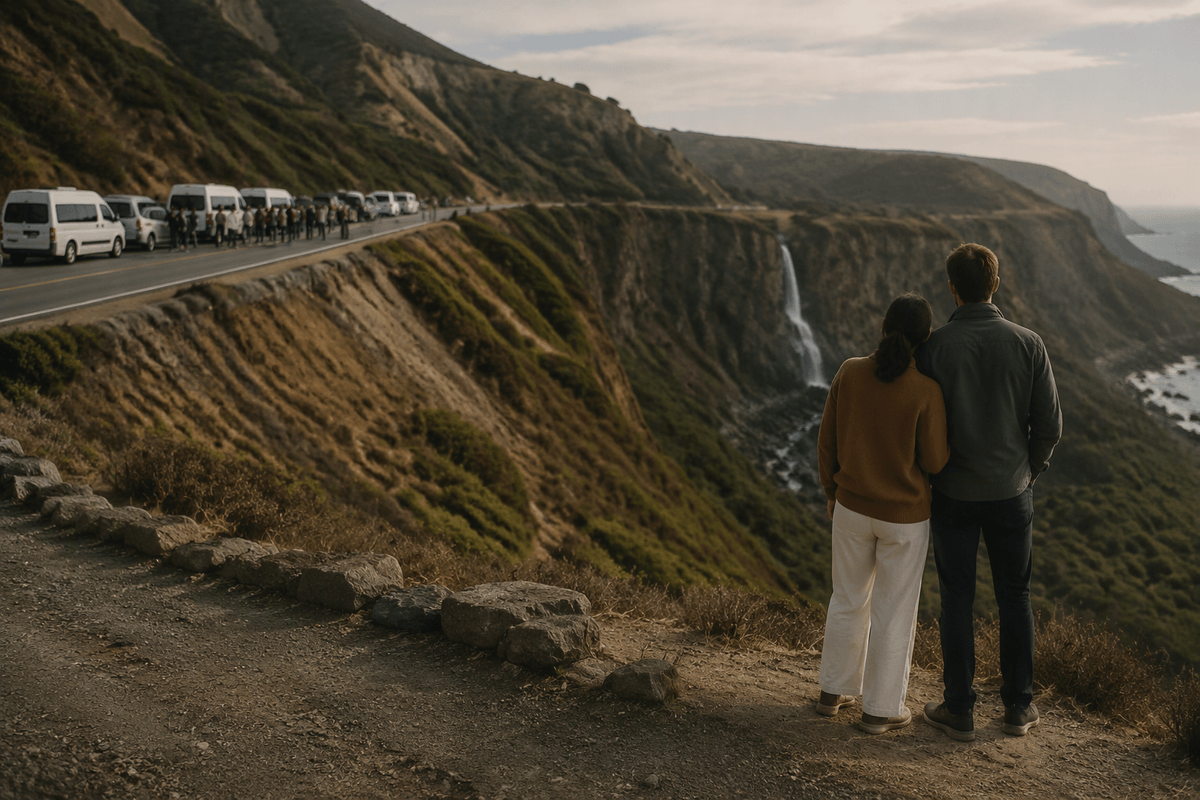
The first night on an Aurora Express tour is when your tidy Mumbai schedule meets Arctic reality: dinner finishes, you keep one eye on the WhatsApp group, and then—sometimes at 9 p.m., sometimes after midnight—you’re told to be in the lobby in ten minutes. It works well because you’re not negotiating taxis in the dark; you’re just layering up and stepping onto a warm bus. It doesn’t work as well if you’ve planned aggressive daytime sightseeing—by the third “maybe tonight” you feel the sleep debt, and the next morning’s museum plan starts to look optional.
The rhythm is basically: early update, second update, then a chase based on cloud gaps more than KP hype. Expect long drives, quick stops, and stretches of waiting while the guide scans forecasts. Etiquette matters because you’re sharing a narrow slice of darkness: keep headlamps on red mode (white light ruins everyone’s night vision and photos), don’t set up your tripod in front of someone else’s frame, and ask before you step into a shot. If the operator offers photos, treat it as a bonus, not a guarantee—your best “win” is staying warm enough to keep watching when the curtains finally start moving.
Budget, trade-offs, and coming home satisfied
The budget reality usually hits on day two, when you’ve already paid for the tour and you’re still tapping your card for “small” things: airport coffees during long layovers, supermarket dinners because you can’t face another restaurant bill, and the occasional cab when your timing doesn’t match the shuttle. An Aurora Express package makes the big costs predictable (beds, transfers, chase nights), but it can lull you into undercounting the add-ons—checked bags on internal flights, winter-gear rental deposits, and optional excursions that quietly replace a daytime rest you actually needed.
If you’re leave-limited, pay for fewer decision points. A slightly pricier tour with more chase nights and a stable base often beats a “cheaper” itinerary that hops towns and burns half-days on transit. If you’re budget-tight, cut the upgrades that don’t increase aurora odds—fancier hotels, glass-igloo “for the experience,” or too many paid daytime activities—and keep money aside for flexibility (a buffer night in the gateway city, or a last-minute extra chase if your operator sells one).
Coming home satisfied isn’t only about seeing green curtains on cue. It’s landing back in Mumbai with photos you like, sleep you didn’t completely destroy, and the feeling that you spent your limited leave chasing the sky—not chasing logistics.