Why Jaipur tours feel overwhelming at first
The first time you search “Jaipur day tour,” everything blurs together: the same Amber Fort photo, the same “government approved” badge, the same promise of “no hidden charges.” The overwhelm isn’t the itinerary—it’s that you’re being asked to judge licenses, guide quality, and vehicle safety from copy-and-paste listings, usually while you’re trying to squeeze Jaipur into a 2–4 day Golden Triangle sprint.
What makes it tricky is that the real costs often aren’t in the headline price. A “cheap” tour can quietly rely on shop commissions, monument tickets not included, parking fees, or a guide who steers you into gem and textile stops when you wanted forts and bazaars. Meanwhile, DIY taxis can feel simpler—until you’re negotiating every leg and wondering if you’re paying the local rate.
The practical question becomes: are you buying convenience and cost control, or trading away flexibility for someone else’s agenda?
What a good operator handles for you
I hesitated right here in the planning: do I really need an operator, or can I just stitch together taxis and “figure it out”? The difference, with a good one, isn’t that they magically improve Jaipur—it’s that they remove the small frictions that eat half-days when your stopover is short.
The first thing they should handle is clean logistics: a consistent vehicle, a driver who doesn’t renegotiate mid-route, and a route order that respects traffic and opening hours (Amber early, City Palace before it gets clogged, market time when you actually have energy). A solid operator also pre-briefs you on what’s included vs not—tickets, guide fees, parking, tolls—so you’re not doing mental math at every gate. If they’re serious, they’ll confirm guide language, whether the guide is licensed, and what “government approved” actually means in practice.
You lose some spontaneity, and the weak operators make their margin back by nudging you into commission shops. The value test is simple: do they save you time and awkward negotiations while keeping your day focused on forts and bazaars—not detours you didn’t ask for?
Tour types: private, group, heritage, food
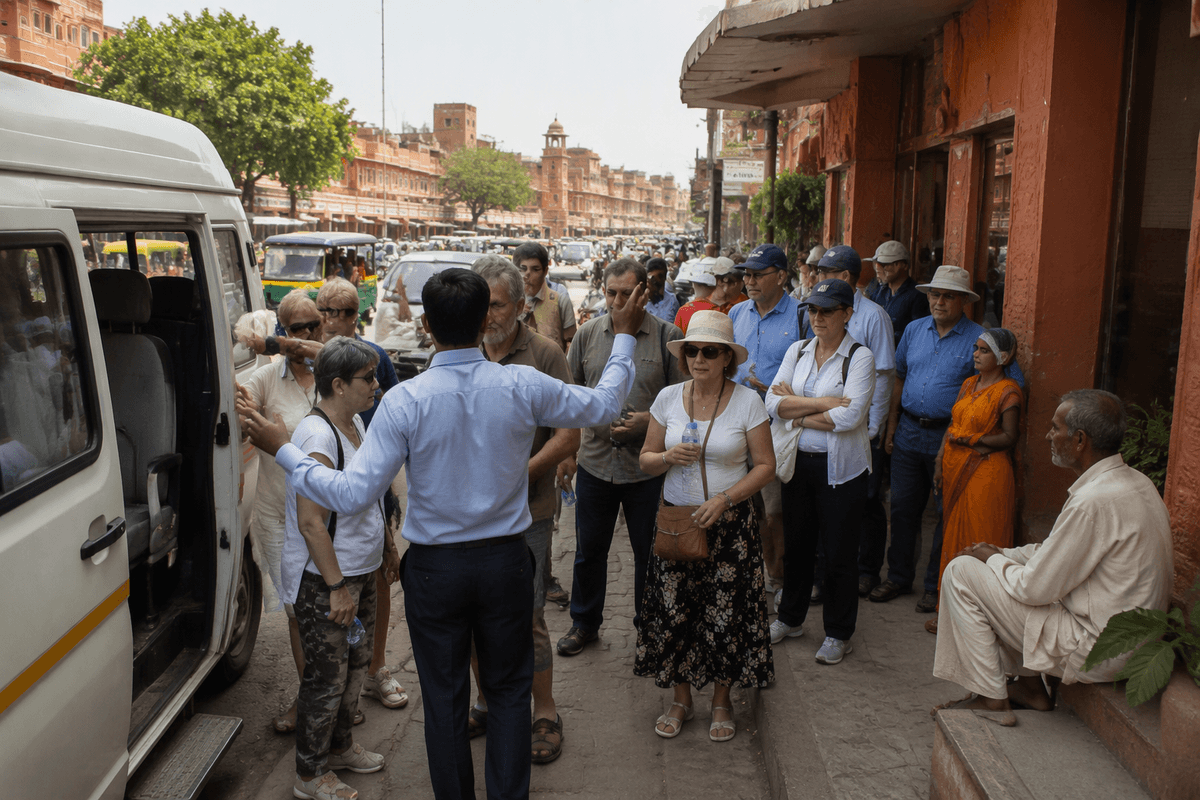
My next snag was choosing a “type” of tour, because Jaipur listings use the same keywords for very different experiences. Private tours are the cleanest fit for a 2–4 day Golden Triangle stop: you control pace, photo stops, and bathroom breaks, and you can start early enough to beat Amber Fort crowds. The trade-off is you’re paying for the vehicle and guide time whether you linger or not—so it’s only good value if you actually want a tight, efficient route and don’t plan to freestyle half the day.
Group tours usually win on price, but they cost you time in the places you came for: hotel pickups stack up, lunch stops are fixed, and one slow member can ripple through the whole itinerary. If your main fear is uncertain taxi pricing, a group tour can be a safe “known cost” option—but check whether monument tickets are excluded, because that’s where the budget surprise lands.
Heritage-focused tours (forts, stepwells, old city walks) are where a strong guide matters most: context turns stone into story, and you’re less likely to get pulled into random shops. Food tours can be fantastic—but only if the operator is specific about neighborhoods, tasting count, and what happens if something is closed; Jaipur evenings get crowded, and “street food” without a clear route can turn into a lot of waiting.
Safety, guides, and local access advantages
I noticed the safety question usually pops up right when you’re about to book: the itinerary looks fine, the price looks fine, but you’re still picturing “random car, random guide, random stops.” In Jaipur, the operator’s real value is often simple risk reduction—an identifiable driver, a vehicle that feels maintained, and a plan that doesn’t depend on you negotiating at every gate when you’re already tired and short on time.
A good guide isn’t just trivia; they’re your buffer. They should be licensed (and willing to tell you what that means), speak the language you requested without “my cousin will translate,” and be clear about what’s optional so you can decline shop detours without a scene. Local access is the underrated perk: guides know which entrances move faster, when certain courtyards bottleneck, and how to sequence Amber/Jaigarh/City Palace so you’re not stuck in traffic at the worst hour. The trade-off is you’re accepting their network—so verify upfront: no forced commission stops, and you can veto any “factory visit” on the day.
Pricing, inclusions, and hidden-cost checks
I usually catch myself hovering over the cheapest listing, because “Jaipur full-day tour” prices can look wildly inconsistent. The trick is to stop comparing headline numbers and start comparing what’s actually being controlled for you: vehicle type (sedan vs SUV), A/C, tolls, parking, and whether your guide fee is baked in or tacked on later. A mid-range operator who’s explicit can end up cheaper than a bargain tour that leaks money through “small” add-ons all day.
The fastest hidden-cost check is to force the package into three buckets: fixed (car+driver hours, guide, pickup/drop), variable (monument tickets, lunch, tips), and risk (commission stops, “optional” experiences that are socially hard to refuse). Ask for a written list of what you’ll pay at each stop—Amber Fort, City Palace, Jantar Mantar—because if tickets are excluded, that’s not a scam, it’s just a budget reality you need upfront. Also clarify overtime: Jaipur traffic can turn a “8-hour” plan into 10, and some drivers will renegotiate on the spot unless the policy is clear.
If an operator won’t state “no forced shopping” in plain language, assume the low price is subsidized somewhere. Paying a bit more for a clean inclusion list is often the difference between a focused forts-and-bazaars day and a day you spend quietly calculating what’s coming next.
Questions to ask before booking
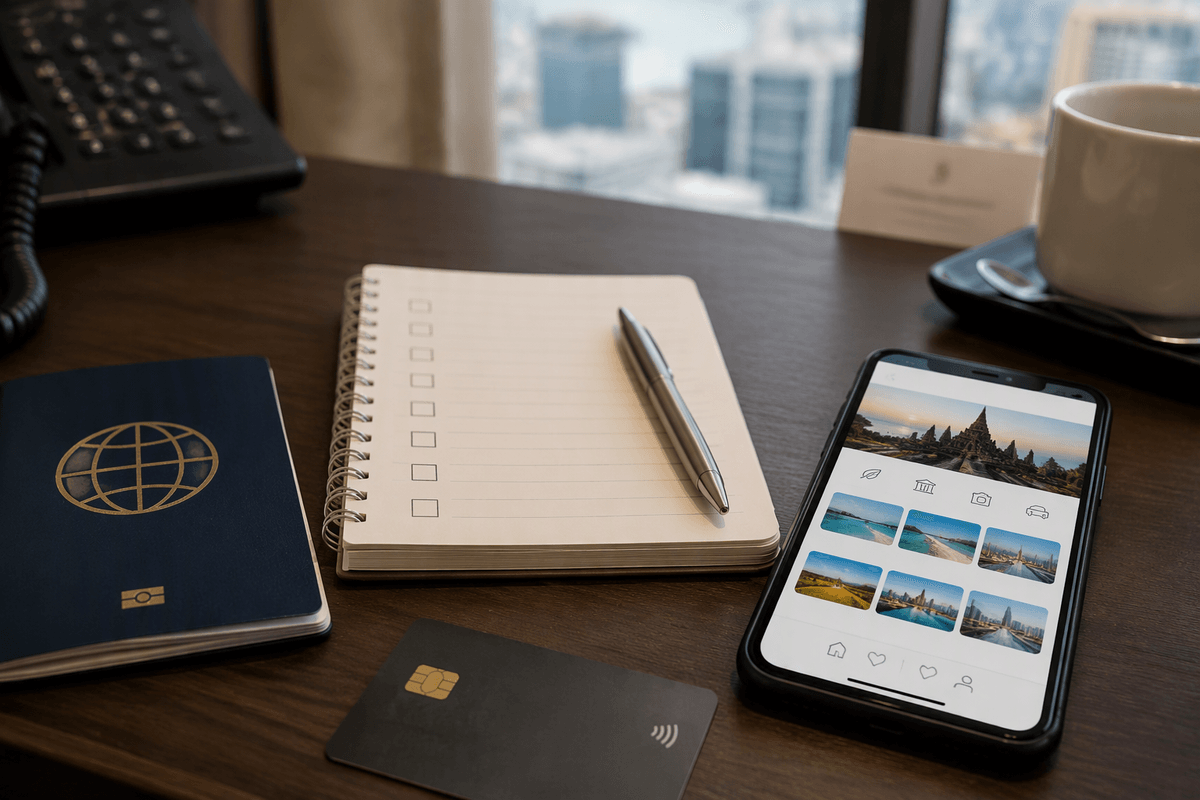
I’ve learned to treat the booking step like a quick interview, because two tours that look identical on a listing can behave very differently once you’re in the car and it’s 11 a.m. at Amber. Before you pay anything, ask: who exactly is your guide (name, language, licensed or not), what vehicle shows up (sedan/SUV, A/C, seatbelts), and what the day’s start time really is (your hotel pickup vs when sightseeing begins). If they dodge specifics, that’s usually where the friction shows up later.
Then get surgical about money and detours. Ask for a written breakdown of what’s included (tolls, parking, guide fee) and what you’ll pay on-site (tickets by monument, lunch, tips). Most importantly: “Can we do this itinerary with zero shop/factory visits, and can I veto any stop on the day?” A good operator will say yes without defensiveness and explain their overtime policy if traffic pushes you past the booked hours. That’s the difference between a controlled day and one long negotiation.
Choosing confidently: trade-offs and best-fit mindset
I hit the “book” moment when I stopped trying to find the best Jaipur tour and started choosing the right constraints for my day. If you only have 2–4 days total, the biggest win is usually time: a private car + licensed guide can turn Amber, City Palace, and a market window into one coherent route instead of a string of negotiations. The cost is flexibility—once you’ve paid for an 8–10 hour block, you’re incentivized to keep moving even when you’d rather linger.
My deciding filter is a simple trade: pay for control, or pay with attention. If you’re comfortable DIY-ing taxis and saying “no” repeatedly, you can save money and keep spontaneity—but you’ll spend more mental bandwidth on fares, entrances, and detours. If you want a calmer day, choose the operator who is most explicit in writing: exact inclusions, overtime rules, and “no forced shopping.” When two options look similar, pick the one that makes it easiest to decline add-ons without social pressure—that’s the closest thing to real value in Jaipur.