Why Cape Town fits almost everyone
The first time you look at a Cape Town map, the temptation is to treat it like a compact city break—until you realize your “musts” are scattered: a mountain in the middle, beaches strung along two oceans, vineyards out in the Winelands, and the Peninsula pulling you farther than you planned. That sprawl is the friction point, but it’s also why Cape Town works for so many people: you can commit to one “lane” and still feel like you got variety.
If you’re outdoors-led, you can build days around Table Mountain, Lion’s Head, and coastal drives—but weather and wind can wipe out your best-intentioned summit plan. If you’re food-and-wine motivated, you’ll eat absurdly well for mid-budget money, yet you’ll pay in time if you tack on the Winelands without a transport plan. Culture travelers get museums, neighborhoods, and day tours, but you’ll need to be choosy so you’re not spending half your trip in transit.
The trick for 5–7 days is picking a base that minimizes backtracking, then deciding which one big “out-of-town” day deserves your best energy (Peninsula or Winelands, not both at full tilt). Do that, and Cape Town stops feeling overwhelming and starts feeling tailored.
Choose your Cape Town travel style
On day one, the question isn’t “what do we do first?” so much as “what kind of tired do we want to be?” Cape Town punishes the everything-in-one-day mindset because distances and weather stack up fast. If you’re outdoors-first, plan your mornings like they’re sacred—Table Mountain, Lion’s Head, and the best coastal walks all work better before the wind ramps up, but you have to accept a backup plan when the cableway shuts or the cloud sits down on the summit.
If you lean culture-and-neighborhoods, you’ll get more satisfaction by staying tighter—CBD, Gardens, Oranjezicht, Woodstock—because the friction is less about entry fees and more about time lost in Ubers and “just one more” detour. Food-and-wine travelers should decide early: are you here for standout restaurants in town (easy nights, fewer logistics) or the Winelands (a full day, plus a safe transport plan if you’re tasting)? Beach-led trips look effortless on Instagram, but the water is often cold and the sun/wind combo can end a day early—build flexibility rather than a rigid beach schedule.
Neighborhoods and where to base yourself
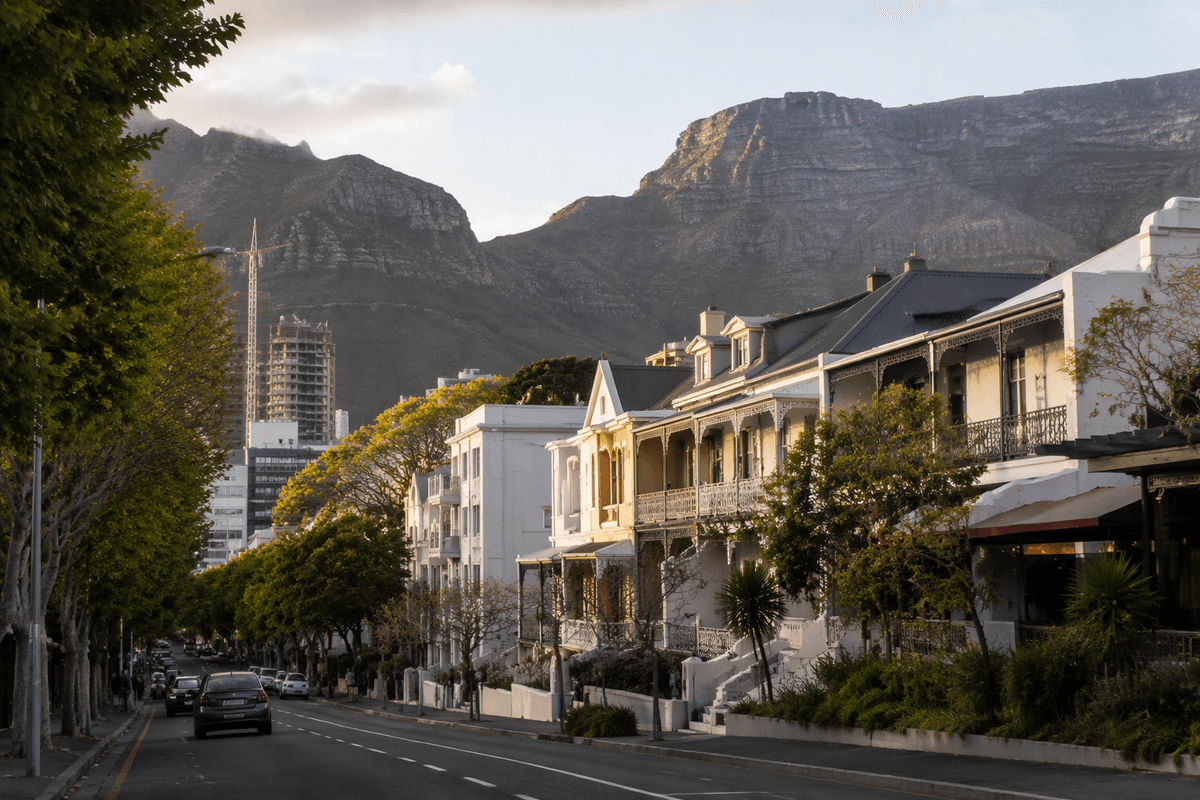
I hesitated over the map because Cape Town’s “nice” areas aren’t all nice in the same way—some are convenient, some are scenic, and some are only easy if you’re happy to Uber everywhere after dark. For a first trip, the City Bowl (Gardens, Oranjezicht, Tamboerskloof) is the most forgiving base: you’re close to Table Mountain and central restaurants, and you can pivot plans quickly when weather changes, but you won’t get the breezy beach feeling outside your door.
If you want morning walks and a simple beach-adjacent routine, Sea Point or Green Point tends to work better than committing straight to Camps Bay. You’ll pay a bit more for sea-facing places and parking can be annoying, yet the promenade makes solo or couple travel feel easy, and getting into town is still manageable.
The V&A Waterfront is the low-friction option for tours and boats—safe-feeling and polished—but it can feel insulated (and pricier) if you’re chasing neighborhood texture. Woodstock can be great for design and food, though it’s less “wander-and-stumble-upon” comfortable, so it suits travelers who plan rides rather than walking home late.
Signature experiences by traveler type
The moment I started plugging pins into my map, I realized “Table Mountain + Cape Point + Stellenbosch” is less an itinerary and more a test of patience—especially when the wind picks up and the day starts slipping. This is where choosing a traveler type helps: you’re not limiting yourself, you’re protecting your time (and your mood) so you’re not spending your best hours in traffic or queueing for the same sunset as everyone else.
If you’re outdoors-led, give your freshest morning to Table Mountain or Lion’s Head, then keep a weather-proof alternative ready (Kirstenbosch or a shorter hike) because the cableway can close and the summit can disappear into cloud. Peninsula days reward early starts: Chapman’s Peak and Cape Point feel dramatic, but they’re long, and adding Boulders Beach can tip it into “too much.” Culture-and-neighborhood travelers do better stacking closer wins—District Six Museum, Bo-Kaap, then an afternoon in Gardens—because the friction isn’t cost, it’s the stop-start rhythm of crossing the city repeatedly.
Food-and-wine travelers have a clean fork in the road: book one standout dinner in town (easy logistics, no driving) or commit to a Winelands day with a driver so tastings stay relaxed. Beach-first trips should treat Clifton/Camps Bay as a flexible window, not a fixed plan—the light is gorgeous, but wind and cold water can shorten your “full beach day” fast.
Practical planning: timing, transport, safety, costs
I learned quickly that Cape Town days are won or lost before breakfast: if you wait to see how you feel, you’ll end up trying to book a ride, check wind, and join a late cableway queue all at once. Mornings are your best shot for mountains, viewpoints, and longer drives; afternoons are better for neighborhoods, markets, and museums when the light gets harsh and the wind can turn “quick hike” into a slog. The catch is weather can flip plans in an hour, so it helps to hold one “indoor-ish” option (Galleries, District Six Museum, a long lunch) as your pressure-release valve.
Transport is where mid-budget trips either feel smooth or strangely exhausting. Ubers work well for City Bowl-to-Sea Point hops, but they’re less satisfying for big days like the Peninsula or Winelands—waiting around with spotty signal, then realizing you’re still the one managing the clock. A hired driver or small-group tour costs more, yet it buys you a calmer pace and removes the “who’s sober enough to drive?” problem if you’re tasting.
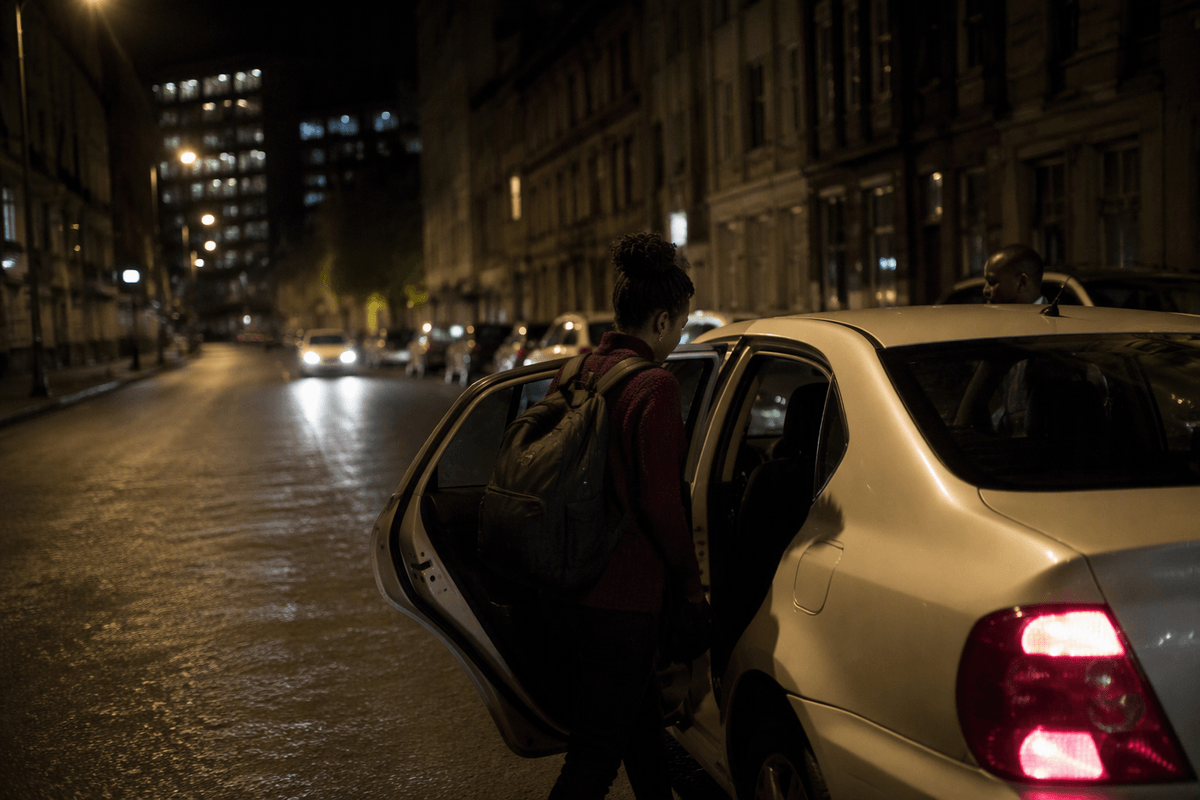
On safety and costs, the most practical rule is behavioral, not alarmist: wander by day, ride at night, and don’t let “it’s only 20 minutes” talk you into walking unfamiliar gaps after dark. Budget-wise, Cape Town can feel like a deal on food and experiences, then sneak up on you with stacked extras—park fees, tastings, ride-hails, and last-minute bookings when weather pushes everyone onto the same Plan B.
Building your perfect Cape Town trip
On my last planning pass, the only thing that actually reduced stress was choosing a “lane” for each day instead of chasing icons: one mountain morning, one out-of-town day, and then a couple of tighter, neighborhood-led days that don’t rely on perfect weather. If you try to stack Table Mountain and a long drive on the same day, you’ll spend your best energy in queues or traffic, and the wind won’t care what you pre-booked.
For 5–7 days, build in one deliberate spare slot—an afternoon where you can move a beach window, a museum, or a long lunch without feeling like you’re “losing” the trip. The practical takeaway: plan early starts for the things that can be canceled by conditions, and keep evenings simple and close to where you’re staying so safety decisions don’t become last-minute negotiations.