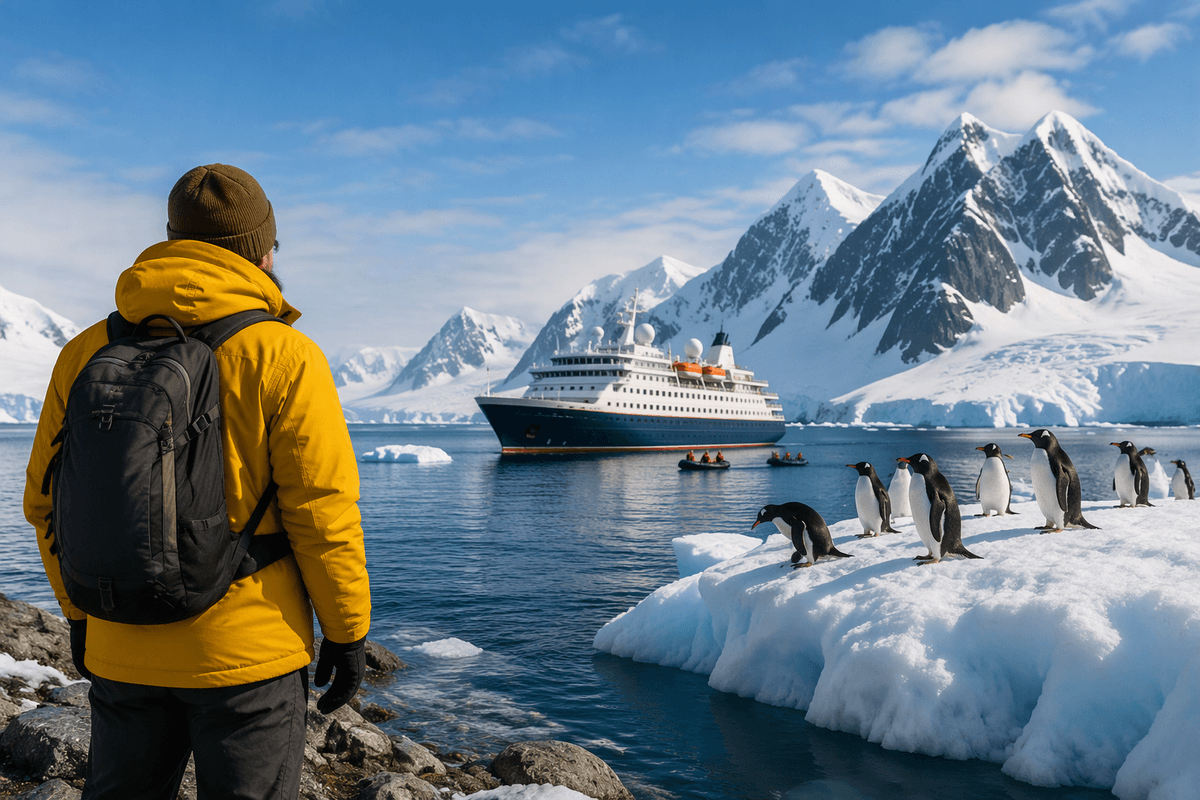
Is an Antarctica trip possible on a budget?
The first time I priced Antarctica, I had that familiar “close tab and pretend it’s not real” moment—until I realized the question isn’t whether it’s cheap (it isn’t), but whether it can be made predictable. For a 10–14 day trip out of Ushuaia, a “budget” path usually means an expedition cruise in a lower cabin class, booked with flexibility, and with eyes wide open about what the sticker price does—and doesn’t—cover.
It’s possible, but the trade-offs are non-negotiable. The cheapest options almost always cross the Drake Passage by ship, which saves money but costs you comfort and a couple of rough days if the weather turns. Fly-cruises can reduce seasickness risk and time at sea, but they tend to reintroduce cost quickly through flights, luggage limits, and tighter logistics. What works well on a budget is embracing the core value: wildlife and shore landings. What doesn’t is paying “deal” pricing and then discovering port fees, gratuities, gear rental, or pre-trip nights in Ushuaia were never included.
If you treat Antarctica like an all-in number—not a headline fare—you can make it doable: build in at least one buffer night in Ushuaia, budget for insurance, and choose “more landings” over “more amenities.” That’s where savings stay real instead of stressful.
What actually drives Antarctica prices
I remember staring at two “similar” 11-day voyages with a $2,500 gap and realizing the price wasn’t really about Antarctica at all—it was about the machinery around getting you there. The first driver is the platform: true expedition ships (more Zodiac capacity, more staff per guest) cost more to operate, even in entry-level cabins, while bigger “cruise-style” ships sometimes look cheaper per night but can trade away landing time through stricter landing logistics and crowd management.
Next is the route and the risk you’re buying down. Sailing the Drake is usually the lowest-cost baseline; fly-cruise pricing climbs because aircraft seats, baggage limits, and weather-dependent scheduling add cost and fragility. Then there’s timing: peak austral summer (especially late December through January) prices in school-holiday demand, while shoulder weeks can be cheaper but may come with trade-offs—colder conditions, more sea ice variability, or different wildlife timing.
Finally, “deal” pricing often hides the all-in math. Port fees, gratuities, Ushuaia hotels, gear (boots/parka), transfers, and medical/evac insurance can swing your real total by thousands. When you compare offers, I’d rather overpay slightly for a clear inclusion list than underpay and spend the difference later in surprise line items.
Where real travel deals come from
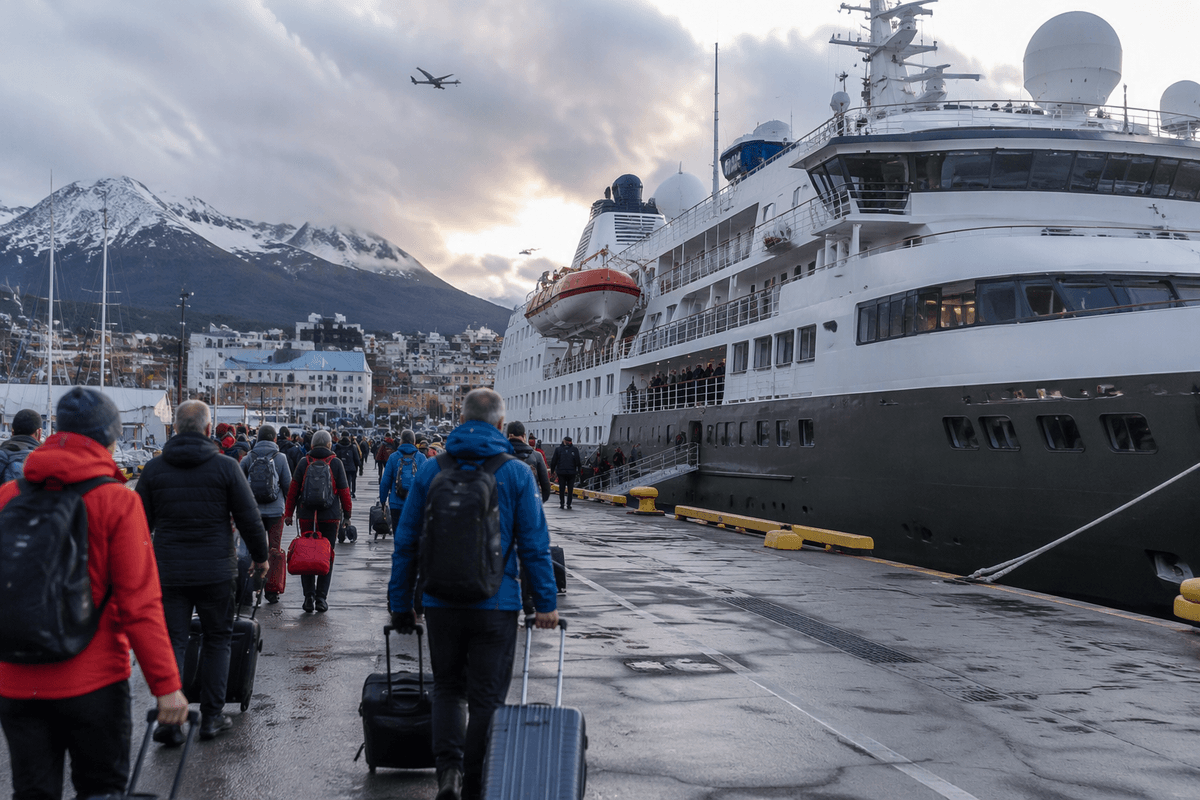
The first “deal” I almost booked looked fantastic until I tried to answer one boring question: who is actually discounting it? In practice, the real price drops usually come from two places: operator-controlled promos (early booking, group space, or repositioning quirks) and inventory pressure close to departure when a ship would rather sail with a discounted cabin than an empty one. What works well is being flexible on the exact sailing date and cabin category—ships can move you into a better cabin later, but they rarely discount the exact popular mid-ship twin everyone wants.
Last-minute isn’t magic, though; it’s a trade. You might save on the cruise fare but spend more on flights into Ushuaia, and you lose control over buffer days—exactly when weather or a delayed bag turns into real friction. I’ve also found “agent specials” can be legitimate, but only if you treat them like a contract: ask for the line-item inclusion list (landings/Zodiacs, parkas/boots, port fees, transfers, gratuities, alcohol, Wi‑Fi) and get the cancellation terms in writing. A cheap headline price that excludes mandatory fees isn’t a deal; it’s just a different payment schedule.
If you want the cleanest savings without the chaos, target the less-hyped weeks on either side of peak season and stay open to lower-deck cabins. Spend the extra effort verifying inclusions; that’s where budget trips stop feeling like a gamble.
Timing and flexibility that save the most
The moment timing became “real” for me was trying to line up flights to Ushuaia and realizing a cheap cabin can get expensive fast if you only have one narrow departure window. The biggest savings usually come from being flexible on when you sail, not just what you book. Late December through January tends to price in holiday demand, while early-season (November) and late-season (late February into March) often loosen up—sometimes meaning better fares, but also different conditions and wildlife rhythms. If your priority is lots of shore time, a slightly less popular week can buy you more value than upgrading the cabin.
Flexibility also has a hidden constraint: Ushuaia logistics don’t bend as easily as the cruise fare. Last-minute sailings can undercut the sticker price, but flights and hotels can spike, and you have less room to absorb delays. What works well is arriving at least one night before embarkation (two if you’re nervous about weather or missed connections), then treating that hotel cost as insurance against a ruined boarding day. What doesn’t work is booking the “deal” that departs tomorrow and hoping your luggage and the Drake both cooperate.
If you can float your dates by even 7–10 days, you’re in the sweet spot: you can compare multiple departures, choose better crossing forecasts, and still keep the trip feeling planned instead of improvised.
Budget trade-offs: cabin, ship, itinerary
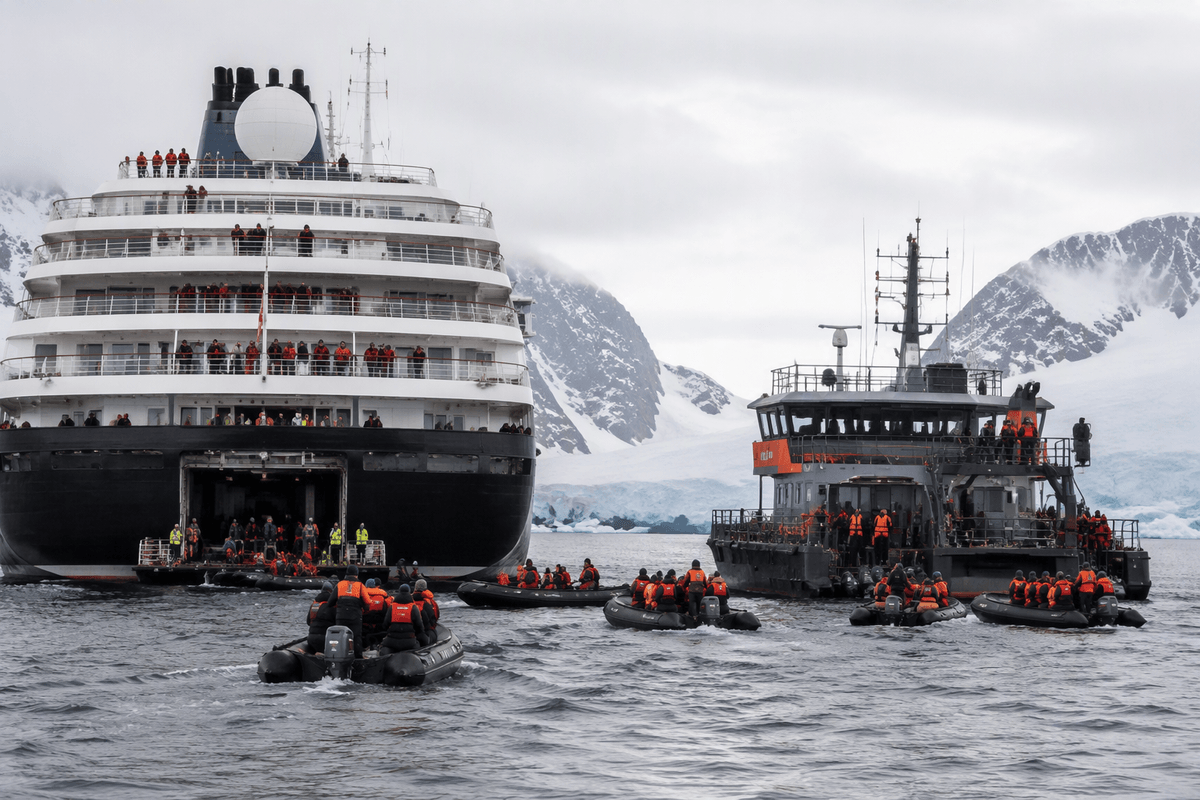
I hit my first real trade-off decision looking at a lower-deck quad: the fare was meaningfully cheaper, but the “savings” came with two quiet costs—sleep quality and time. On paper, a bed is a bed. In practice, if you’re on a lower deck near machinery or you’re sharing tight space with strangers, the Drake days can feel longer, and fatigue makes early landings harder. A small step up (shared porthole twin, or at least a quieter location) often buys back energy, which matters more than an extra square meter when you’re pulling on layers at 6 a.m.
Ship choice is where budget logic gets counterintuitive. Bigger, more cruise-like ships can advertise a lower nightly rate, but they’re constrained by landing rules—so you may rotate groups and spend more time waiting for your turn while conditions are good. A true expedition ship can cost more up front, yet deliver smoother logistics: more Zodiacs moving, fewer bottlenecks, and better odds you’ll actually get your planned shore time. That trade-off is worth pricing in, because “Antarctica included” isn’t the same as “Antarctica experienced.”
Itinerary is the final lever. Peninsula-only is usually the best value per landing; adding South Georgia or the Falklands raises cost and days, and it adds more ocean time where weather can steal schedule. If wildlife and landings are your non-negotiables, I’d pay for a stronger landing program before I’d pay for a nicer cabin—then keep the route simple enough that delays don’t domino into missed highlights.
Booking checklist to avoid costly mistakes
The first time I tried to “lock it in,” I got stuck on a deceptively small question: is this price all-in, or just the cruise fare? Antarctica quotes love to look clean until you layer in the parts that are hard to compare across operators. Before paying a deposit, I now force myself through a short checklist—even if it slows the dopamine hit of a good deal.
First: confirm what’s mandatory vs optional. Ask, in writing, whether port fees and taxes are included, what gratuities look like (fixed amount or “suggested”), and whether transfers in Ushuaia are covered (airport-to-hotel, hotel-to-ship, ship-to-airport). Next: verify the landing program—how many shore landings/Zodiac cruises are typical on that exact itinerary, and whether there are any ship-size constraints that could turn “daily landings” into “weather permitting, rotating groups.” Gear is another budget trap: some operators include a parka and boots; others charge rental or leave you scrambling in Ushuaia at peak season.
Then I check the risk items: cancellation terms, medical/evac coverage requirements, and the fine print on single supplements or “guarantee” cabins (you can save money, but you give up control over location and sometimes bedding). Finally, I price the buffer: at least one Ushuaia night before boarding, plus a realistic flight plan that doesn’t assume perfect connections. Deals are real; missed-embarkation stress is also very real.
A realistic budget plan—and when to splurge
My last budgeting pass for Antarctica got easier once I stopped pretending the cruise fare was the trip. For a 10–14 day Peninsula sailing out of Ushuaia, I’d map a realistic “all-in” budget in four buckets: cruise fare, flights, Ushuaia buffer, and the boring-but-fatal extras (tips, insurance, gear gaps). If the fare looks unusually low, I assume something is missing until proven otherwise—usually port fees or gratuities—and I plug those into the total before I let myself celebrate.
If you want a plan that doesn’t implode, price it like this: the voyage itself is the anchor number; then add 1–2 hotel nights in Ushuaia (one minimum, two if your routing is fragile), transfers if they’re not included, and insurance that actually covers evacuation. I try to keep “optional” onboard spend close to zero—alcohol and Wi‑Fi add up fast—and instead save my splurge for the thing that protects the experience: a ship/itinerary with a strong landing program, or a slightly better cabin location if you’re prone to poor sleep on the Drake. Everything else is negotiable; missed landings and miserable recovery days aren’t.