Why Greenland feels hard to plan
The first snag usually shows up before you’ve even picked dates: Greenland isn’t a single “route” you can book and forget. Towns are separated by water, ice, and mountains, so what looks close on a map often means a flight, a boat, and a weather-dependent connection that doesn’t run every day.
Then there’s the comparison problem. Ilulissat is ice spectacle and boat tours; Nuuk is culture and city logistics; South Greenland is hiking and farms—each with different shoulder seasons, costs, and “what if it’s foggy?” backup plans. You can’t optimize for everything, and trying to do two regions in one short trip can turn into transit overkill.
What makes it feel hard is that the constraints are real: limited departures, early booking pressure, and cancellations that aren’t anyone’s fault. The planning win is accepting buffers and choosing one primary base, so the trip still works even when the Arctic edits your schedule.
When to go: seasons, light, wildlife
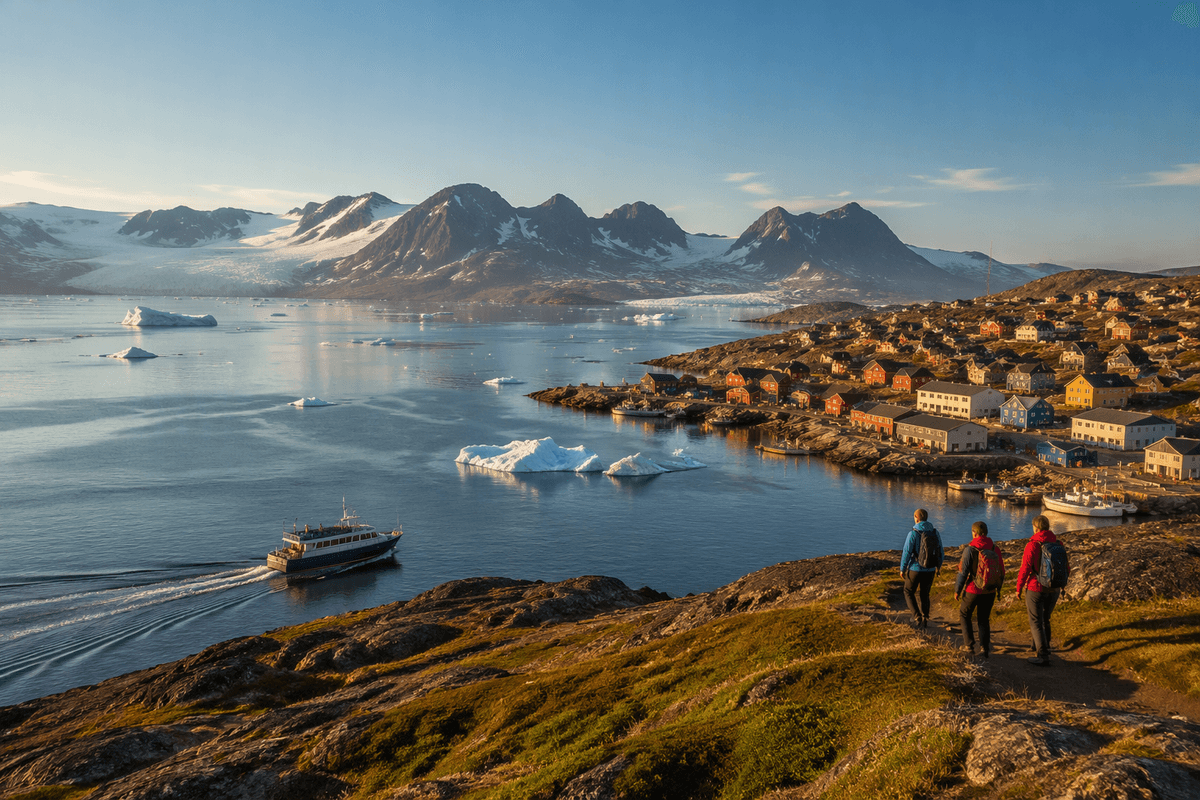
I hesitated longest on dates, because in Greenland “best time” really means “best compromise.” Daylight swings hard, and the same week can be perfect for boat tours in one town and socked-in with fog in another. If you only have 7–14 days and limited PTO, you’re not chasing a season in theory—you’re picking the conditions you can live with when Plan A gets bumped.
Summer (roughly late June through August) is the easiest on comfort and logistics: more departures, longer days, and the highest odds that boats and hikes actually happen. The trade-off is crowds and cost, plus a lower chance of Northern Lights—you can’t hunt aurora in a sky that never really gets dark. Shoulder season (May/early June or September) can feel like the sweet spot for pricing and elbow room, but it’s also where you’ll notice the constraints: fewer tour departures, chillier boat rides, and more “not running today” moments.
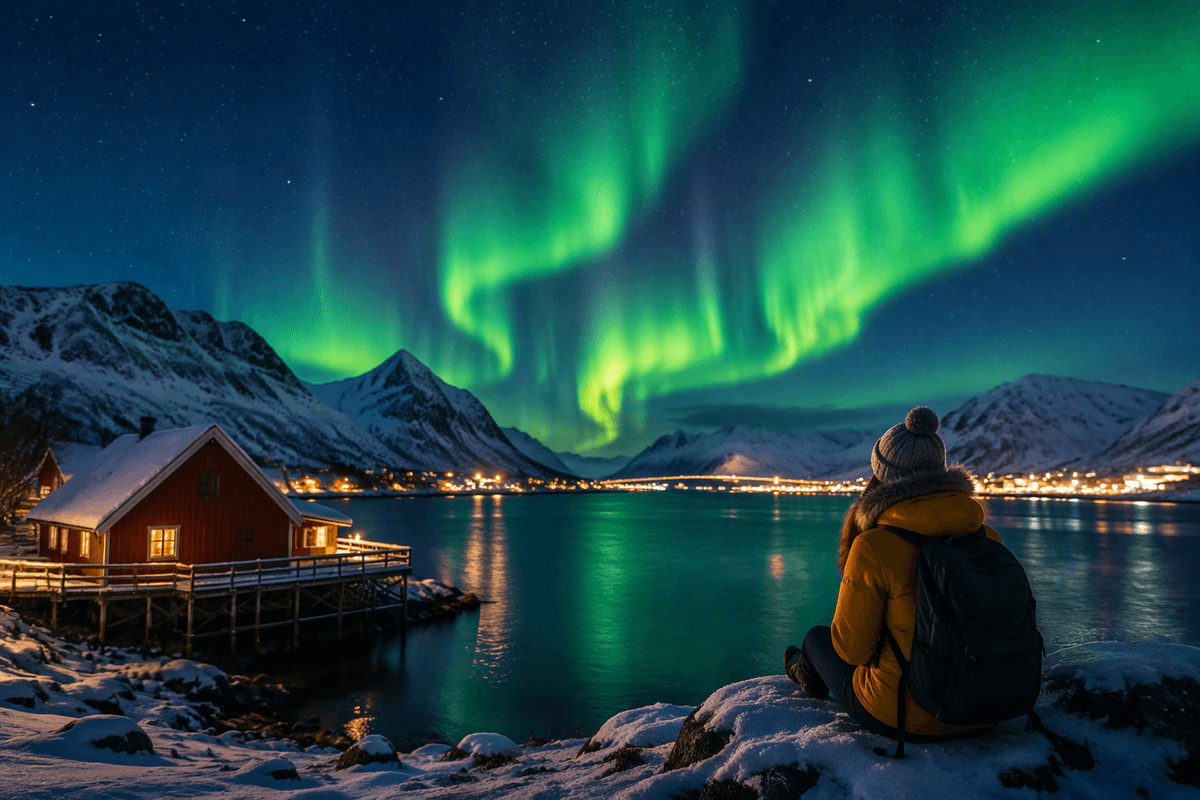
For Northern Lights, you’re looking at darker months (think late September into March), which comes with colder temperatures and a tighter margin for weather delays. Wildlife is similarly seasonal: whales peak in the warmer months, while winter leans toward snow-based experiences. My decision rule: pick one “must” (ice/boats, hiking, or aurora), then choose the month that supports it without turning every day into a reschedule.
Where to base: Ilulissat, Nuuk, South Greenland
The first real fork in the road is choosing a base that matches what you’ll actually do when the weather says “not today.” Ilulissat is the obvious pick if you want maximum iceberg payoff with minimal decision fatigue: most people come for Disko Bay boat trips and the icefjord viewpoints, and you can keep days productive even if a cruise gets canceled by swapping to shore walks and museum time. It’s tour-centric and priced like it knows it’s the headline.
Nuuk works differently. It’s Greenland’s most “city-logistics” friendly place—more dining, more indoor backups, a bit less of that end-of-the-line feeling. If your trip is short and you hate the idea of losing a day to a fog delay, Nuuk can be a safer bet, but you’re choosing culture, day hikes, and fjord outings over the constant iceberg theater of the west coast icons.
South Greenland (think Qaqortoq/Narsarsuaq area) is for hikers who want green valleys, ruins, and farm-country scale—but it asks more of you: fewer departures, longer transfers, and more moments where you’re building your own Plan B. If you only have one week, I’d pick Ilulissat or Nuuk; with two, South Greenland starts to make sense because you can afford the buffer days.
Costs, bookings, and Arctic packing essentials
I felt the budget pinch the first time I tried to “just see what’s available” for a summer week—because in Greenland, pricing isn’t only about comfort level, it’s about scarcity. Flights set the floor, then tours and hotels stack on top fast in Ilulissat. Nuuk tends to give you a little more flexibility (more inventory, more food options), while South Greenland can be cheaper day-to-day but sneakily expensive in transfers if you’re moving around a lot.
Booking strategy is mostly about protecting your limited PTO. I’d lock in international/in-country flights first, then accommodation, then the one or two tours you’d be genuinely upset to miss (icefjord cruise, whale trip, a glacier hike). Committing early can feel risky when weather exists, but waiting too long means you’re forced into awkward departure days or pricier room categories.
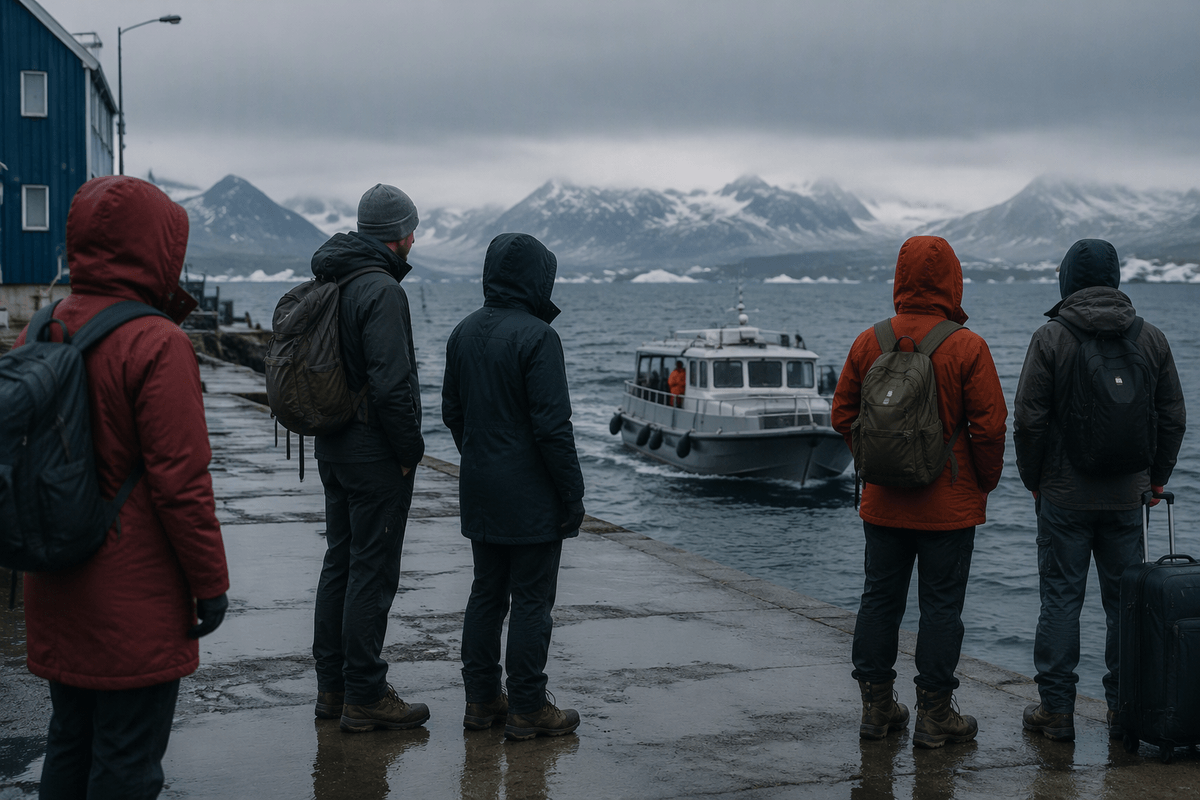
Packing is where “mid-range” gets real: you don’t need an expedition wardrobe, but you do need redundancy. A windproof outer layer matters more than a heavy parka for boat days, and waterproof footwear is non-negotiable because wet + wind turns miserable quickly. The one thing that didn’t work for me was underestimating how often you’re outside standing still—viewpoints, docks, delays—so add one warm layer more than you think you’ll wear.
Putting it together: simple trip frameworks
The last planning friction point is realizing you’re not building a “Greenland grand tour”—you’re choosing a framework that still feels good if a boat day gets blown out or a flight slips to tomorrow. With 7–14 days, I’d rather leave with one region done properly than collect airport lounges across three.
If ice is the priority: do a 7–9 day Ilulissat base (with one buffer day) and treat anything else as a bonus, not a promise. If you want the lowest stress: do 6–10 days in Nuuk, stack fjord day trips and hikes, and enjoy the fact that bad weather still leaves you with restaurants and museums that don’t require rebooking. If hiking and ruins are the point: give South Greenland 10–14 days, accept slower transfers, and plan “walking days” that work even when a sailing doesn’t.
My simplest rule: one primary base + one side trip max, and put your buffer day near the end so delays don’t steal your flight home. If you’re debating aurora versus boats, decide upfront which disappointment you can tolerate—missing Northern Lights, or missing time on the water—because trying to hedge usually costs you both.