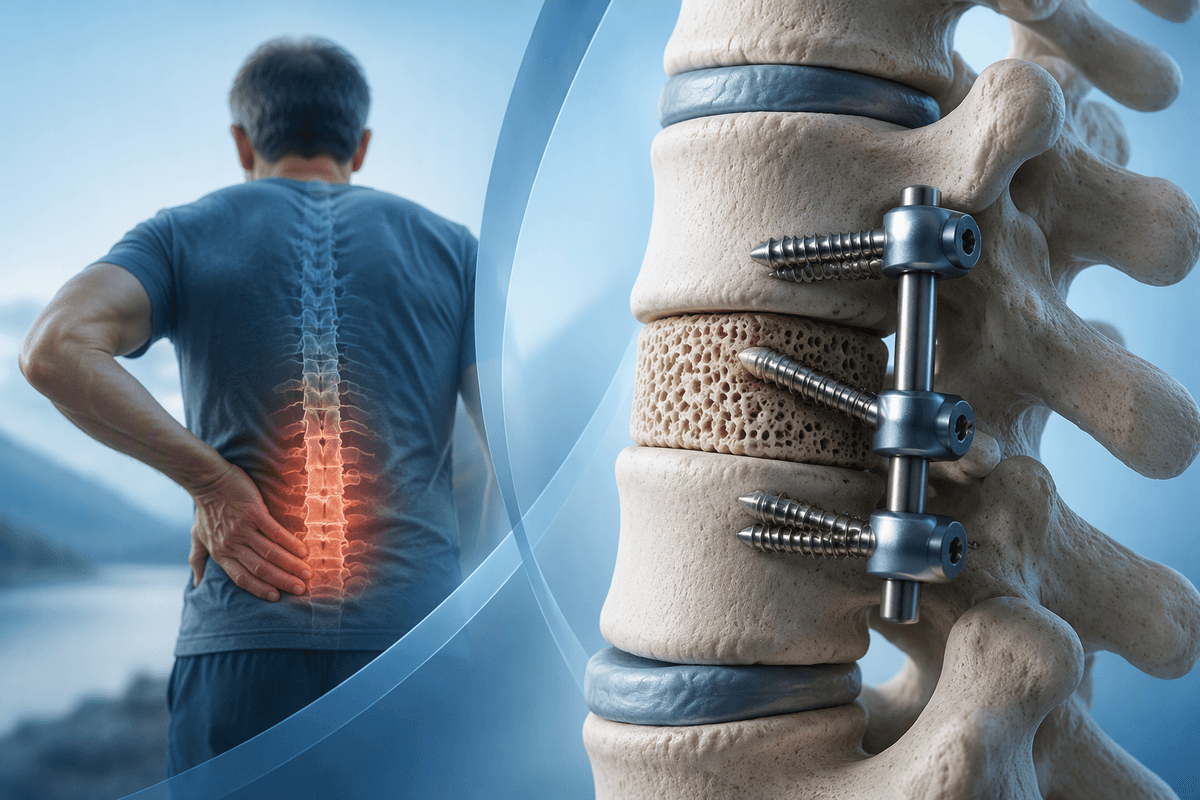
Why sensation changes after surgery can feel unpredictable
It can be confusing when the area around an incision feels “fine” in the morning, then turns buzzy or half-numb after a short walk, a shower, or even a long stretch on the couch. A lot of people expect sensation to come back in a straight line—less numb every day—but the early pattern is often messy. One spot may feel dull while the skin beside it feels overly sharp, and the same touch can register differently depending on how warm you are, how long you’ve been upright, or how tightly clothing sits over the area.
Part of the unpredictability is that nerves don’t just “switch on” after being moved, stretched, or irritated during surgery. Signals can be inconsistent while swelling shifts and tissues settle, so the message your brain gets changes with pressure and position. That’s why a small increase in activity can feel like a setback, even if the overall trend is slowly improving when you look back over a couple of weeks.
What healing nerves need beyond simply “time”
Sometimes the strangest moment is when you’re doing something boring—typing a short email, rolling onto your side, pulling on socks—and the skin near the incision suddenly “wakes up” with prickles or a zinging line. It can be tempting to label that as good (the nerve is returning) or bad (something’s wrong), but healing nerves often behave more like a dimmer switch than a light bulb. They may send clearer signals one hour and noisier, scrambled ones the next, especially if the area has been bent, pressed, or held still for a long stretch.
Beyond time, nerves tend to do better with a steadier environment: less shifting pressure, fewer surprise pulls, and enough gentle use that the tissues around them don’t stay stiff and guarded. The “normal daily use” isn’t consistent—sleep position, a tighter waistband, longer sitting, or an extra errand can change how much the area is loaded. Noticing those small inputs can explain why sensation improves unevenly, even when the overall direction is forward.
Swelling, scar tissue, and the compression cycle

You might notice it most when you stand up after sitting awhile: the incision area feels tight, then a few minutes later the skin turns tingly or oddly “asleep.” That shift often tracks with fluid moving. Swelling doesn’t just make the area puffy—it can crowd the small spaces nerves pass through, so the signal gets fuzzy when pressure builds and clearer when the pressure eases. The confusing part is that the swelling isn’t constant; it can be worse later in the day, after a warmer shower, or after your first longer stretch of walking.
As the incision firms up, scar tissue can add another layer of squeeze-and-release. Scar isn’t automatically a problem, but it can behave like a stiff patch that tugs when you bend, roll, or reach, then settles again when you change position. That’s why sensation may improve for days, then feel “worse” after one awkward sleep angle or a long car ride—more compression, more noise. The pattern is often uneven, and that unevenness can be the clue.
The brain’s remapping can distort normal sensations
It can throw you off when the skin feels “wrong” even after the swelling seems calmer. You brush past the incision and it registers as a hot sting, or you touch one spot and feel it a couple inches away. Sometimes an itch feels deeper than the skin, or a light fabric reads as sandpapery. That disconnect isn’t always the incision “getting worse”—it can be the way your brain interprets a signal that’s still faint, uneven, or arriving through neighboring pathways.
After surgery, the brain doesn’t just wait for perfect input; it fills in gaps based on older maps of what that area used to feel like. When signals are patchy, it may overreact (oversharp, electric, burning) or underreact (dull, blank), and the “location” can drift as the system recalibrates. This remapping can change day to day: a short walk might make things clearer, while a long sit or a tight waistband makes the same touch feel oddly amplified. Over time, the pattern often becomes more predictable before it becomes fully normal.
Supportive movement versus irritation from overdoing it
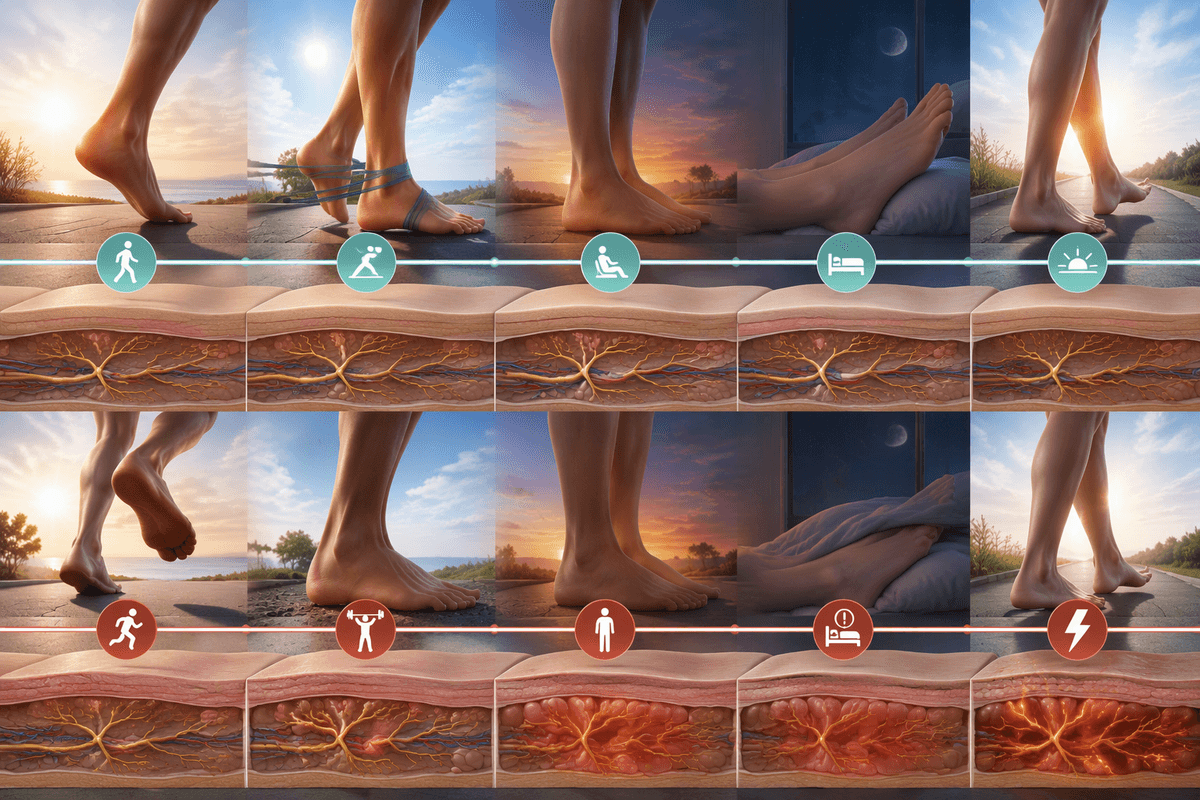
The difference often shows up later, not while you’re doing the activity. During a short walk or a few careful trips up the stairs, the area may feel a little warmer or “awake,” then settle into a calmer, more organized sensation once you sit down. That’s supportive movement: enough change in position and light loading that the tissues don’t stay stiff, without creating a long stretch of pressure that keeps the signals noisy.
Overdoing it tends to announce itself in a less tidy pattern. The skin may start feeling thick or half-numb again, then flip into prickles or a burning edge as the day goes on—especially if you stacked activities (errands, longer standing, extra reaching) without realizing it. It can be confusing because the incision itself may look the same, yet the sensation feels worse. Often it’s not “damage,” but irritation from swelling, guarding, or a tuggy scar responding to more tension than it can currently tolerate. You may only connect the dots the next morning.
Everyday inputs that can stabilize nerve recovery
Sometimes you only notice the “inputs” when they change: a different chair, a thicker waistband, a night where you curl up tighter than usual. The next day the area can feel louder—more fizzing, more patchy numbness—without anything obviously different about the incision. In real life, nerves seem to like predictability. When pressure and stretch stay fairly consistent, the signals often feel less jumpy, even if they aren’t fully normal yet. When pressure swings—tight clothing, leaning into an armrest, bracing your core getting out of bed—the same skin can read as prickly or oddly deadened for hours.
Small, repeatable routines can act like “steady lighting” for the system: short bouts of moving, changing position before you’re stiff, and avoiding long periods where the area is pinned or bent. None of this works perfectly—sleep is messy, errands stack up, and you may not feel the effect until later. But if the sensation is calmer on days with fewer extremes (less compression, fewer long holds), that pattern itself is useful information.
How to interpret warning signs and seek reassessment
It’s easy to dismiss a “weird day” as part of the process—until you realize the sensation isn’t settling back down after rest. A common reassuring pattern is noise that flares with a longer sit, a tighter waistband, or extra walking, then eases by the next morning. A more concerning pattern is a steady slide: numbness spreading, tingling turning into persistent burning, or function feeling less reliable (grip, foot lift, or coordination) even on low-activity days.
Some changes are worth a re-check sooner rather than later: new or increasing drainage, redness or warmth that keeps expanding, fever, pain that ramps sharply, or swelling that feels out of proportion. If symptoms feel “different than before” in a way you can’t link to position or loading, it may help to call and describe the timeline rather than waiting for it to declare itself.